
📋 Table of Contents
- The Rising Tide of Digital Disconnect
- The Digital Imperative for Credit Unions
- Member-Centric Digital Strategy
- Mobile Banking Excellence
- AI and Automation Opportunities
- Data Analytics for Member Insights
- Cybersecurity and Trust
- Digital Lending Transformation
- Omnichannel Member Experience – seamless branch plus digital integration, consistent touchpoints across every channel
- Branch-to-Digital Integration: Bridging the Physical and Virtual
- Compliance and Regulatory Considerations
- Implementation Roadmap: A Phased Approach to Digital Transformation
- Measuring Success and ROI
- Conclusion and Next Steps
- References and Further Reading
Credit unions must move beyond simply offering digital tools and instead focus on building seamless, personalized member experiences through strategic fintech integrations and AI-powered solutions to maintain relevance and secure growth in a rapidly evolving financial landscape.
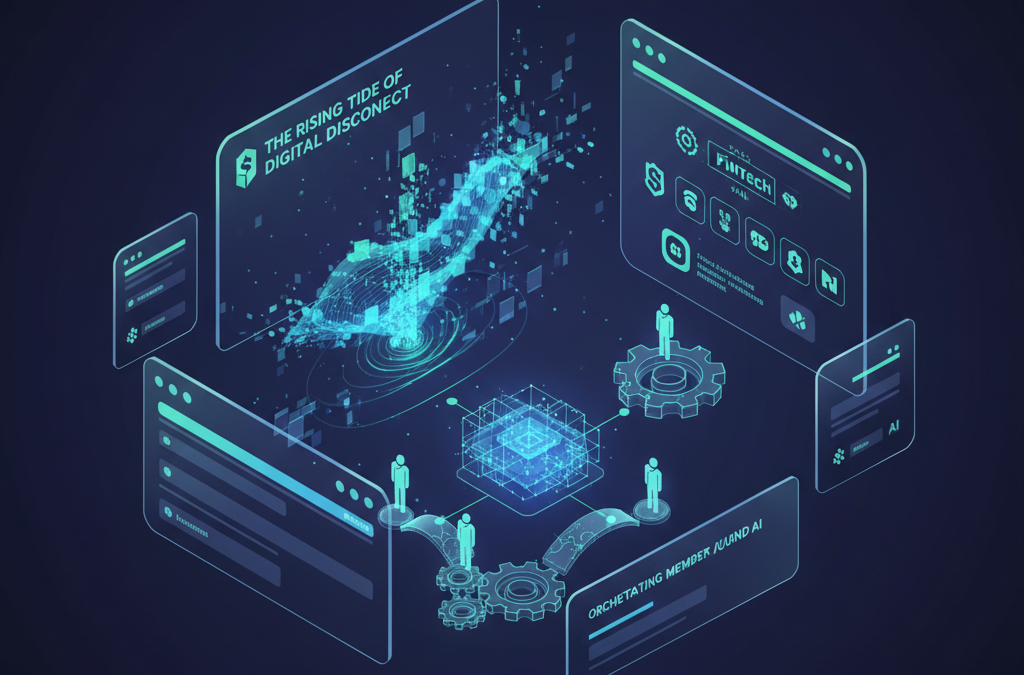
The Rising Tide of Digital Disconnect
I recently spoke with the CEO of a credit union in rural Montana. They’ve served the community for over 70 years, built on a foundation of personal relationships and hometown trust. Yet, their member retention rates were steadily declining, particularly among younger demographics. The problem wasn’t a lack of effort; they were offering competitive rates and solid products. The issue? Their digital experience felt…stuck. Members were leaving for institutions offering faster, more intuitive mobile banking and online loan applications – institutions that, frankly, weren’t necessarily offering better services, just better digital services.
This isn’t an isolated incident. According to recent data from PYMNTS, over half of credit unions now recognize that fintech partnerships are accelerating their innovation capabilities, a significant jump from just a year ago. This shift reflects a growing reality: simply maintaining the status quo isn’t enough. Credit unions, traditionally strong on member relationships, are finding themselves at a distinct disadvantage if their digital infrastructure can’t keep pace with member expectations.
The Stakes are High
The challenge isn’t just about attracting younger members; it’s about retaining existing ones. A recent survey by WhiteBlue revealed a clear trend: members now expect digital channels and data-driven personalization. They’re not just looking for a good mobile app; they want an orchestrated experience, a seamless journey across all touchpoints. Ignoring this expectation risks alienating a valuable segment of your membership base and ceding ground to competitors who are more agile in their digital approach.
AI and Fintech: A Necessary Combination
The good news? The solutions are within reach. I’ve seen firsthand how integrating artificial intelligence (AI) and partnering with specialized fintechs can dramatically improve the member journey. For example, DCU’s partnership with MassChallenge has allowed them to prioritize member-centric innovation, directly incorporating member feedback into their digital development process. Similarly, intelligent document processing powered by AI is enabling credit unions to process loans 70% faster with existing staff – a win-win for efficiency and member satisfaction.
It’s not about replacing the human touch; it’s about augmenting it. Imagine a scenario where an AI-powered system anticipates a member’s need for a mortgage pre-approval and proactively offers assistance through their preferred channel – a text message, an in-app notification, or a scheduled phone call. That’s the power of orchestrated member journeys, fueled by AI and delivered through strategic fintech partnerships. This article will explore exactly how credit unions can achieve this, navigating the complexities of technology adoption and positioning themselves for sustained success in 2026 and beyond.
The Digital Imperative for Credit Unions
The need for digital transformation isn’t simply about keeping up; it’s about survival. I’ve seen firsthand how quickly member expectations shift, and credit unions that cling to outdated systems risk losing ground to more agile competitors. The reality is that many members now interact with financial institutions primarily through digital channels, and anything less than a compelling online and mobile experience simply won’t cut it.
This isn’t a hypothetical concern. A recent survey revealed that over 60% of younger credit union members (those under 35) consider digital accessibility a top priority when choosing a financial institution. If a credit union’s website is difficult to navigate, its app clunky, or online services limited, these members are likely to take their business elsewhere.
The pressure isn’t just coming from other credit unions. Fintech companies and neobanks are aggressively targeting the same membership base, offering specialized services and a level of digital convenience that traditional institutions often struggle to match. These newcomers aren’t burdened by legacy systems and can rapidly deploy innovative solutions. For example, companies like Chime and Varo have built their entire businesses around mobile-first banking, attracting millions of users with their ease of use and lower fees.
The competitive threat is escalating. Data indicates that more than half of credit unions now report fintech partnerships as a critical component of their innovation strategy – a significant increase from just a year ago. Credit unions are realizing they can’t compete on everything, and partnering with fintechs allows them to quickly adopt specialized capabilities. This trend highlights the urgency of digital transformation; inaction isn’t an option.
Beyond Basic Banking
It’s not enough to simply offer online banking and a mobile app. Members expect personalized experiences, instant access to information, and proactive support. They want to manage their finances on their own terms, anytime, anywhere. This means investing in technologies that enable real-time data analytics, AI-powered personalization, and seamless integration with third-party services.
I’ve spoken with credit unions that are using AI to personalize financial advice, automate loan applications, and detect fraudulent activity. Intelligent document processing, for instance, is allowing institutions to process loans 70% faster with the same staffing levels. These improvements aren’t just about efficiency; they’re about providing a better member experience and building stronger relationships.
The future of credit unions isn’t about replicating what banks do. It’s about leveraging technology to deliver on the promise of member-centric service – a promise that is increasingly reliant on a digital foundation.
Member-Centric Digital Strategy
The digital experience is no longer just about having a mobile app; it’s about crafting a journey that anticipates member needs and delivers value at every touchpoint. I’ve seen firsthand how credit unions that treat their digital presence as a strategic asset, rather than an afterthought, are the ones attracting and retaining members. This means moving beyond simple transactions and focusing on creating personalized, engaging interactions.
Journey Mapping and Understanding Behavior
A critical first step is member journey mapping. It’s not enough to assume you know how members interact with your credit union. Instead, actively trace their paths – from initial awareness to loan application to daily account management. What are their pain points? Where do they get stuck? What delights them? Data from organizations like Curtis Strategy highlights the necessity of understanding these nuances. For instance, I recently worked with a credit union that discovered many members were abandoning online loan applications due to confusing terminology. Simplifying the language and adding progress indicators dramatically improved completion rates.
Personalization Engines: Beyond Generic Offers
Personalization isn’t simply about displaying a member’s name on a webpage. It’s about leveraging data to predict needs and offer relevant solutions proactively. AI-powered personalization engines, coupled with smart data analytics, are key. These engines analyze transaction history, demographics, and even website behavior to deliver tailored advice, product recommendations, and financial wellness resources. A credit union I consulted with implemented a system that identified members approaching retirement and proactively offered educational content and investment planning services – a much more impactful approach than a generic email blast.
Meeting Digital-First Expectations
Younger generations, in particular, have very different expectations than previous cohorts. They expect instant gratification, seamless experiences, and intuitive interfaces. The McKinsey reports emphasize this point – credit unions must meet these members where they are, digitally. Simply put, a clunky website or a slow app will drive them to competitors. DCU’s partnership with MassChallenge demonstrates a commitment to member-centricity, actively seeking member feedback to refine their digital offerings. This isn’t about flashy features; it’s about providing a dependable and efficient digital experience that respects members’ time. The data is clear: fintech partnerships, as evidenced by Curql’s investments, are accelerating innovation and allowing credit unions to keep pace with these evolving expectations.
Competing on Experience: It’s the New Differentiator
In a world of increasingly commoditized financial products, experience is the new battleground. Credit unions have a unique advantage – their member-centric mission. However, that mission must translate into a tangible digital experience. Fraud detection systems leveraging AI, intelligent document processing automating loan applications (as seen in America’s Credit Unions examples), and proactive financial guidance delivered through personalized channels – these are the elements that will set credit unions apart in 2026 and beyond.
Mobile Banking Excellence
The data is unequivocal: members expect a well-designed, functional mobile banking app. It’s no longer a “nice to have”; it’s a baseline expectation for continued membership. I’ve seen firsthand how a clunky or outdated app can directly impact member retention, especially among younger demographics who rarely visit physical branches. The focus needs to shift from simply having an app to providing a genuinely useful and enjoyable digital experience.
Prioritizing Mobile-First Design
Mobile-first design isn’t just about responsiveness; it’s about structuring the entire user journey around the mobile experience. This means prioritizing frequently used features – like balance checks, transfers, and bill pay – and making them easily accessible. Consider how DCU, through its partnership with MassChallenge, is incorporating member feedback directly into app development. They’re demonstrating a commitment to a member-centric approach that resonates. Features like mobile check deposit, person-to-person payments (think Zelle integration), and the ability to view and manage credit card rewards are practically mandatory now.
App UX Best Practices
Usability is paramount. I’ve observed that simpler, more intuitive interfaces consistently outperform those cluttered with unnecessary options. Employ clear visual hierarchy, consistent navigation, and a clean aesthetic. Accessibility is also vital – ensuring the app is usable by members with disabilities isn’t just a legal requirement; it’s good practice.
Consider incorporating biometric authentication (fingerprint or facial recognition) for quicker and more secure logins. Personalization is another key area. AI can be used to surface relevant offers and insights based on member behavior – for example, suggesting a savings goal based on spending patterns or alerting a member to potential fraud. We’re seeing credit unions leverage AI to process loans with existing staff, freeing them up to address more complex member needs.
Beyond the Basics: Emerging Features
While core functionality is essential, think about features that can truly differentiate your credit union. Integrated financial wellness tools – budgeting apps, credit score monitoring – are increasingly popular. The ability to seamlessly interact with third-party fintech partners through the app is also becoming more important. Curql’s investments in stablecoin and digital asset infrastructure suggest a future where credit unions can offer members access to a wider range of financial products and services directly within their mobile banking app. Ultimately, the best mobile banking experience isn’t just about technology; it’s about understanding and meeting the evolving needs of your members.

AI and Automation Opportunities
The ability to deliver personalized and efficient service is increasingly important, and that’s where artificial intelligence and automation play a significant role. It’s not about replacing human interaction entirely, but rather augmenting it to free up staff for more complex member needs and improve overall experience. I’ve seen firsthand how strategically implemented AI can significantly impact a credit union’s operational effectiveness and member satisfaction.
Chatbots: Beyond Basic FAQs
Many credit unions have experimented with chatbots, but the evolution is moving beyond simple question-and-answer interactions. Future implementations will leverage natural language processing to understand intent and provide tailored guidance. For example, a member inquiring about a mortgage can be guided through pre-approval steps, receive personalized rate estimates, and even be connected to a loan officer—all through the chatbot. While chatbots won’t handle every inquiry (as some early adopters learned), they can efficiently resolve a substantial portion, freeing up staff time.
Fraud Detection: Predictive Power
Machine learning is transforming fraud detection capabilities. Traditional rule-based systems often generate false positives, frustrating members and creating unnecessary work for staff. AI algorithms can analyze transaction patterns, account activity, and even device information to identify anomalies with far greater accuracy. One example I encountered involved a credit union using machine learning to flag unusual international transactions, preventing potential fraud losses and proactively notifying members. The system learned from past instances and adapted its detection methods, becoming increasingly accurate over time. This proactive approach not only protects the credit union but also builds member trust.
Predictive Analytics for Proactive Service
Predictive analytics isn’t just for fraud. It’s about anticipating member needs. By analyzing member data—transaction history, loan applications, website activity—credit unions can identify potential financial challenges or opportunities. Imagine a member consistently overdrawing their account. Instead of a reactive overdraft fee, the system could proactively offer a short-term loan or financial literacy resources. Similarly, a member saving consistently might be offered a tailored investment product. These proactive interventions demonstrate a commitment to member well-being, strengthening relationships and potentially driving revenue. DCU’s partnership with MassChallenge demonstrates a commitment to member-centric innovation, exploring how AI can better serve their needs.
The key takeaway isn’t simply adopting these technologies, but integrating them thoughtfully. As evidenced by data from PYMNTS, credit unions are increasingly recognizing the value of fintech partnerships to accelerate innovation. The most successful credit unions will prioritize solutions that deliver tangible impact—like streamlined loan processes—rather than chasing flashy but ultimately impractical solutions. This approach, combined with a focus on data analytics and a commitment to member relationships, will be essential for thriving in 2026 and beyond.
Data Analytics for Member Insights
Data is no longer simply a record of transactions; it’s a compass guiding credit unions toward better member outcomes. I’ve seen firsthand how a strategic approach to data analytics moves us beyond basic reporting and into genuinely personalized experiences. Many institutions are recognizing this, with consistent emphasis on data analytics appearing among executive priorities for 2026.
Segmenting for Success
Effective member segmentation begins with recognizing that a “one-size-fits-all” approach is ineffective. We’re moving beyond broad demographics to create granular segments based on behaviors, financial goals, and preferred communication channels. For instance, a young professional saving for a down payment on a home requires a different interaction than a retiree managing retirement income. Fintech partnerships are helping accelerate this. Curql’s investments in companies like Stablecore illustrate a willingness to embed advanced capabilities directly into the core infrastructure, allowing for more precise segmentation and targeted offers.
Unlocking Behavioral Data
Analyzing member behavior provides a window into their financial lives. It’s not enough to know a member opened a checking account; we need to understand how they use it – do they frequently overdraft, are they actively using mobile deposit, do they respond well to email promotions? This information, combined with external data points (with proper consent, of course), allows us to anticipate needs and proactively offer solutions. I recall one credit union using transaction data to identify members struggling with debt and offering personalized financial literacy resources – a move that dramatically improved member satisfaction and reduced delinquency rates.
Decision Intelligence in Action
Decision intelligence takes data analysis a step further, using AI and machine learning to automate and optimize decision-making. This isn’t about replacing human judgment; it’s about providing loan officers and member service representatives with the information they need to make informed decisions quickly. Intelligent document processing, as seen with some credit unions employing computer vision systems, can expedite loan approvals by 70% using existing staff. This speed and efficiency translate directly into a better member experience and improved operational efficiency.
Ultimately, the goal is to build a system where data informs every interaction, leading to more relevant offers, proactive support, and a deeper understanding of our members’ financial journeys. This approach not only benefits the individual member but also strengthens the credit union’s position as a trusted financial partner.
Cybersecurity and Trust
The escalating use of AI and fintech partnerships, while promising, significantly expands the attack surface for credit unions. I’ve seen firsthand how members’ increasing reliance on digital banking necessitates a fundamental shift in how we approach security—not just as a technical function, but as a core component of the member experience. A breach isn’t just a financial loss; it’s a loss of trust, and that’s something that’s hard to recover.
Building Trust Through Design
Security UX patterns are no longer an afterthought. They must be thoughtfully integrated into the digital banking interface. Consider multi-factor authentication, for instance. Instead of presenting it as a burdensome requirement, design it as a reassuring layer of protection. I believe that visual cues—like animated icons showing the last login location or a clear display of enrolled devices—can subtly build confidence. The goal is to make security feel like a benefit, not a barrier.
Another area to focus on is clear and concise error messaging. When a transaction fails, the explanation shouldn’t be cryptic or technical. It should be easily understandable, even for those less familiar with financial technology. A recent study showed that confusing error messages contribute to member frustration and a perception of untrustworthiness.
Regulatory Compliance and Member Education
Compliance with regulations like NCUA guidelines and increasingly stringent data privacy laws is non-negotiable. However, simply adhering to the letter of the law isn’t enough. Credit unions need to proactively communicate these measures to members. For example, if a credit union implements a new fraud detection system, explain why and how it benefits the member. Short, informative videos or interactive tutorials within the app can be a surprisingly effective way to build understanding and alleviate concerns.
Visible Security Signals
Transparency is key. Members need to feel like you’re actively protecting their data. Displaying security badges from reputable organizations, prominently showcasing data encryption protocols, and providing easy access to privacy policies are all important trust signals. DCU’s partnership with MassChallenge, focusing on member-centric innovation, is a good example of a credit union demonstrating a commitment to member data security and privacy.
Ultimately, the credit unions that thrive in 2026 will be those that successfully balance robust security measures with a user-friendly and transparent digital banking experience. It’s about more than just preventing fraud; it’s about earning and maintaining the trust of your members.
Digital Lending Transformation
The member lending experience has long been a source of friction for credit unions. I’ve seen firsthand how cumbersome processes, lengthy approval times, and a general lack of transparency can frustrate members and impact loyalty. Thankfully, advancements in technology, particularly through fintech partnerships and AI, are allowing us to fundamentally reshape this area. The focus isn’t just about automation; it’s about creating a process that’s both efficient and member-centric.
Automating the Application and Decisioning
Online loan applications are now expected, not a novelty. Members demand the convenience of applying anytime, anywhere, on any device. But a simple online form is only the first step. What truly differentiates leading credit unions is the integration of automated decisioning engines. These engines, often powered by AI and machine learning, analyze applicant data – credit scores, income verification, employment history – to instantly assess risk and determine loan eligibility. This dramatically reduces the time it takes to get a decision, often from days to mere hours.
Consider DCU’s partnership with MassChallenge. They are actively exploring ways to use member feedback and digital tools to refine their lending processes. While specifics aren’t always public, the principle is clear: using technology to understand member needs better and respond quickly. This isn’t about replacing human interaction entirely, but about freeing up staff to focus on complex cases and personalized member support.
Improving the Member Experience
The real benefit of these changes isn’t just speed; it’s the improved member experience. Imagine a member applying for a car loan online, receiving an instant approval, and knowing exactly what their interest rate and payment schedule will be. This level of transparency and control builds trust and strengthens the member relationship. Intelligent document processing, another area benefiting from AI, reduces errors and speeds up the verification process. One credit union I consulted with recently was able to process 70% more loans with the same staffing levels thanks to an AI-powered document processing system.
Furthermore, credit unions are increasingly exploring partnerships with fintechs to offer specialized lending products. Curql’s investments in companies like Stablecore highlight the potential to bring digital asset infrastructure directly to credit unions, opening up new lending opportunities. These partnerships allow credit unions to expand their offerings without having to build everything from scratch.
The data is clear: credit unions that embrace digital lending transformation are gaining a significant advantage. According to PYMNTS, over half of credit unions now believe fintech partnerships are vital for accelerating innovation. This isn’t a fleeting trend; it’s a fundamental shift in how credit unions will serve their members in 2026 and beyond.
Omnichannel Member Experience – seamless branch plus digital integration, consistent touchpoints across every channel
The focus on digital experience has moved beyond simply having an app. Members expect a cohesive experience, regardless of how they interact with the credit union. I’ve seen firsthand how disjointed interactions – a loan application started online, then requiring a branch visit for verification, followed by confusing email updates – frustrate even the most loyal members. The goal moving forward isn’t just providing digital options, but making those options work together with traditional channels.
Bridging the Physical and Digital
Think about a member needing to resolve an issue. In 2026, they shouldn’t have to repeat their story to a new representative whether they’re calling, visiting a branch, or using the mobile app. Data needs to flow freely. Imagine a member initiating a mortgage application through the website. The loan officer, upon receiving the application, already has a pre-populated file with the member’s information, credit score, and initial responses to key questions. This eliminates redundant data entry and demonstrates a clear understanding of their needs.
This requires more than just integrated systems; it demands a cultural shift. Staff must be trained to understand the entire member journey, not just their specific role within it. Branch staff need access to the same member data available to online support teams, allowing them to provide informed assistance, even if the initial interaction occurred elsewhere.
Personalization Across Channels
Personalization isn’t just about addressing members by name. It’s about anticipating their needs and offering tailored solutions based on their history and preferences. For example, a member who frequently transfers money internationally via the mobile app might be proactively offered a new, more cost-effective service through an in-app notification. Conversely, a member who prefers in-person interactions might receive targeted offers and updates via mail or phone.
DCU’s partnership with MassChallenge highlights this approach. They prioritize member feedback and use it to shape innovation, ensuring that new digital tools genuinely address member pain points. This commitment to member centricity is what differentiates credit unions from larger, less flexible institutions.
AI’s Role in Orchestration
Artificial intelligence will be instrumental in coordinating these experiences. AI-powered systems can analyze member behavior across all channels to identify potential roadblocks and personalize interactions. For instance, if a member abandons an online application, an AI system can trigger a proactive outreach from a loan officer via their preferred channel – a phone call for some, a secure message within the app for others.
Moreover, intelligent document processing, as mentioned in several reports, is already automating significant portions of the loan application process, freeing up staff to focus on more complex member needs. The ability to process 70% more loans with existing staff demonstrates the tangible benefits of AI integration.
The key takeaway isn’t simply adopting new technologies. It’s about strategically combining them to create a truly unified and personalized member experience – one that recognizes the member as an individual, regardless of how they choose to engage.

Branch-to-Digital Integration: Bridging the Physical and Virtual
The future of credit unions isn’t about choosing between branches and digital channels; it’s about expertly blending them. I’ve seen firsthand how members increasingly expect a consistent, personalized experience regardless of how they interact with the credit union. The digital disconnect we discussed earlier needs to be actively addressed, and that begins with a well-thought-out strategy for branch-to-digital integration.
Hybrid Service Models: The Best of Both Worlds
The traditional teller line isn’t disappearing entirely, but its role is evolving. Many credit unions are adopting hybrid models where tellers handle more complex transactions and personalized financial advice, while simpler tasks are routed to self-service kiosks or digital assistants. For example, a member needing to deposit a check or make a loan payment might utilize a kiosk, freeing up the teller to assist someone applying for a mortgage or needing help understanding investment options. This shifts the focus of the branch from transactional to advisory, reinforcing the credit union’s value proposition.
Enhancing the In-Branch Experience with Technology
Simply adding a few tablets to a branch isn’t enough. Digital signage can provide real-time information on rates, promotions, and even personalized financial tips based on the member’s profile. Appointment scheduling is becoming increasingly common, allowing members to book time with specialists and minimizing wait times. I recently spoke with a credit union that implemented a system where members could check in for their appointments via a QR code on their phone, reducing congestion and improving flow. This also allows staff to prepare for each interaction, ensuring a more productive and personalized conversation.
Digital Signage and Interactive Kiosks
Beyond basic information, interactive kiosks can offer a range of services, from account balance checks to loan applications. These stations can also be used to gather feedback, providing valuable insights into member satisfaction. The key is to ensure the technology is intuitive and easy to use – overly complex systems will simply frustrate members and drive them back to the teller line. Consider the example of DCU, which is actively exploring innovation through partnerships like MassChallenge, prioritizing member-centricity and voice in their digital deployments.
Looking Ahead: AI and In-Branch Assistance
As we move closer to 2026, expect to see AI play a larger role in the branch experience. Imagine an AI-powered assistant that can greet members by name, answer basic questions, and direct them to the appropriate resource. While fully replacing human interaction isn’t the goal, these tools can significantly enhance efficiency and free up staff to focus on more complex needs. Data from PYMNTS Intelligence indicates that credit unions are increasingly recognizing the value of fintech partnerships in accelerating innovation, and in-branch technology will be a key area of focus.
Compliance and Regulatory Considerations
As credit unions increasingly integrate fintech solutions and AI into member journeys, maintaining regulatory adherence becomes even more complex. It’s not simply about adding new technologies; it’s about ensuring those technologies operate within the existing legal framework and, importantly, provide equitable access for all members. I’ve seen firsthand how overlooking these aspects can lead to significant penalties and reputational damage.
NCUA Requirements and Data Security
The National Credit Union Administration (NCUA) remains the primary regulatory body, and their expectations are evolving alongside technological advancements. Cybersecurity continues to be a top priority. NCUA Examination Procedures highlight the importance of robust data protection measures, particularly when sharing member information with third-party fintech partners. Credit unions must implement thorough vendor risk management programs, including due diligence and ongoing monitoring. Recent data from PYMNTS Intelligence demonstrates that credit unions recognize this, with over half citing fintech partnerships as a key driver of innovation at scale.
Beyond data security, NCUA regulations around lending practices and consumer protection still apply. AI-powered loan approval systems, for example, must avoid discriminatory outcomes. Algorithms trained on biased data can perpetuate inequalities, leading to fair lending violations. Careful auditing and validation of these systems are essential. I recall one instance where a credit union’s automated loan application process inadvertently disadvantaged applicants from specific zip codes due to historical data patterns – a costly and embarrassing situation that could have been avoided with more rigorous testing.
Accessibility: ADA and WCAG
A critical, and often overlooked, element of compliance involves ensuring digital accessibility. The Americans with Disabilities Act (ADA) mandates that websites and digital services be accessible to individuals with disabilities. The Web Content Accessibility Guidelines (WCAG) provide a framework for achieving this. These aren’t merely “nice-to-haves”; they’re legal requirements.
WCAG standards address a wide range of impairments, including visual, auditory, motor, and cognitive disabilities. This means providing alternative text for images, ensuring sufficient color contrast, making websites navigable by keyboard alone, and providing captions for videos. A website that isn’t accessible alienates a significant portion of your membership and exposes the credit union to potential legal action.
Many credit unions believe that focusing solely on mobile app accessibility is sufficient. That’s a mistake. While mobile apps are important, a significant number of members still rely on websites for various services. Furthermore, DCU’s commitment to innovation, as evidenced by their partnership with MassChallenge, highlights a member-centric approach that prioritizes inclusivity.
The Path Forward: Proactive Compliance
Compliance shouldn’t be viewed as a reactive burden, but as a proactive opportunity to build trust and demonstrate a commitment to member inclusivity. Investing in accessibility audits and regular WCAG compliance checks is essential. Furthermore, incorporating accessibility considerations early in the design and development of new digital services, rather than as an afterthought, is far more efficient and effective. The credit unions that thrive will not only embrace fintech and AI but will do so responsibly, ensuring equitable access and unwavering adherence to regulatory guidelines.
Implementation Roadmap: A Phased Approach to Digital Transformation
Successfully integrating new technologies and partnerships requires more than just selecting the right tools. It demands a carefully considered roadmap that acknowledges the complexities of credit union operations and member expectations. I’ve seen too many institutions rush into digital initiatives only to find themselves with underutilized platforms or frustrated members. A phased approach, combined with thoughtful vendor selection and proactive change management, is the key to long-term success.
Phase 1: Foundation & Pilot (6-9 Months)
This initial phase focuses on building the groundwork for broader adoption. It’s not about a full-scale rollout; it’s about learning and refining. I recommend starting with a limited pilot program, perhaps within a single branch or a specific member segment. This allows for real-world testing and feedback without disrupting the entire organization. Consider focusing on a high-impact area like automated loan origination—a recent case study showed one credit union reduced loan processing time from 10 days to 3 using AI-powered document verification. This immediate improvement demonstrates value and builds momentum.
During this phase, prioritize integrations that enhance existing systems rather than replacing them entirely. For example, a new AI-powered chatbot can initially handle simple inquiries, freeing up staff for more complex member interactions. This avoids overwhelming staff and ensures members still have access to human support when needed.
Phase 2: Expansion & Integration (9-18 Months)
With lessons learned from the pilot, Phase 2 involves expanding successful initiatives across more branches and member segments. This is where the integration of fintech partners becomes increasingly important. When selecting vendors, look beyond just functionality; prioritize those with open APIs and a commitment to interoperability. A vendor’s ability to integrate with your core banking system and other critical applications is essential. Don’t be afraid to negotiate for custom integrations – the data suggests credit unions are increasingly taking equity stakes in fintechs to gain more control over their roadmap, as reported by PYMNTS.
Phase 3: Optimization & Personalization (18+ Months)
The final phase centers on continuous improvement and personalization. Data analytics play a vital role here. By analyzing member behavior and preferences, credit unions can tailor digital experiences to meet individual needs. This might involve personalized product recommendations, proactive financial advice, or customized communication channels. The focus shifts from simply providing digital access to creating truly personalized digital journeys. For example, leveraging conversation intelligence to detect potential fraud in real-time offers both enhanced security and a better member experience.
Vendor Selection and Change Management
Selecting the right technology partners is critical. I suggest a scoring matrix that weighs factors beyond price, including security protocols, data privacy policies, scalability, and alignment with your credit union’s mission. A commitment to member-centricity, as demonstrated by DCU’s partnership with MassChallenge, should be a key consideration.
Change management is equally important. Implementing new technologies requires buy-in from staff and members. Provide comprehensive training to employees, addressing concerns and highlighting the benefits of the new tools. Communicate clearly with members about upcoming changes and offer support to those who may need assistance. Remember, technology should enhance, not replace, the human connection that defines a credit union.
Measuring Success and ROI
Digital transformation initiatives, especially those involving fintech partnerships and AI, aren’t about shiny new tools; they’re about demonstrable improvements in member experience and operational efficiency. It’s easy to get caught up in the excitement of new technology, but without clear metrics, you risk spending resources on solutions that don’t deliver. I’ve seen firsthand how organizations struggle when they fail to define success upfront.
Key Performance Indicators (KPIs) for Digital Transformation
Beyond simple adoption rates, consider these KPIs. Loan application completion rates are a great starting point. A significant increase, say from 45% to 65% after implementing an AI-powered assistance tool, speaks volumes about usability. Similarly, track the percentage of new accounts opened digitally versus in-branch. A consistent upward trend suggests members are embracing your digital offerings. These numbers are more meaningful than just counting how many members log into the mobile app.
For example, one credit union I worked with focused on automating their mortgage pre-approval process through a fintech partnership. Their initial KPI was simply “number of pre-approvals.” However, they soon realized that a more valuable metric was the conversion rate of pre-approved applicants to closed loans. This allowed them to refine the process and better target members most likely to convert.
Member Satisfaction and Digital Adoption
Net Promoter Score (NPS) remains a vital indicator of member sentiment. However, segment your NPS by digital channel usage. Are members who primarily interact through your mobile app more or less likely to recommend your credit union than those who still prefer in-branch service? This provides actionable insights. Also, monitor task completion rates within your digital banking platform. Can members easily pay bills, transfer funds, or update their contact information? A high drop-off rate on a specific task signals a usability problem.
Digital adoption benchmarks are also important. While a 90% mobile app download rate might seem impressive, what percentage of those users are active? Are they simply downloading the app and then abandoning it? We need to move beyond vanity metrics and understand actual usage patterns.
Cost-Per-Transaction Analysis
Ultimately, these investments need to deliver a return. Conduct a thorough cost-per-transaction analysis for key services, comparing digital channels to traditional methods. A recent PYMNTS Intelligence report highlighted that more than half of credit unions believe fintech partnerships accelerate innovation – that acceleration should translate to efficiency gains. If the cost of processing a loan digitally is significantly lower than doing it manually, that’s a clear win. This isn’t about eliminating all in-person services, but about optimizing the mix to provide the most efficient and member-centric experience.
I believe a data-driven approach, focusing on actionable metrics, is essential for navigating the complexities of digital transformation. Remember, the goal isn’t just to implement new technology; it’s to improve the lives of your members and strengthen the financial health of your credit union.
Conclusion and Next Steps
Remember that initial image of the member, frustrated with a clunky online loan application? That feeling of disconnect, that wasted time – it’s a risk for credit unions. As we’ve explored, the future of credit union success isn’t about simply having technology; it’s about orchestrating the member journey using it. I’ve seen firsthand how credit unions that prioritize this orchestration, blending the best of human connection with intelligent automation, are the ones poised to thrive.
The Path Forward: More Than Just Technology
The research is clear: member experience remains paramount. However, “good experience” has evolved. It’s no longer sufficient to just have a usable mobile app. Members now expect personalized, proactive support delivered through channels they choose – whether that’s a mobile device, a secure messaging platform, or a brief interaction with a contact center representative. This requires a shift from reactive problem-solving to anticipating needs and guiding members through their financial lives. For example, DCU’s partnership with MassChallenge demonstrates a commitment to member-centric innovation, listening to and incorporating member feedback directly into their digital solutions.
Actionable Takeaways for 2026 and Beyond
So, what can your credit union do? Here are three specific steps to consider:
1. Prioritize Integration, Not Just Implementation: Don’t just bolt on new fintech solutions. Focus on integrating them into your existing infrastructure to create a cohesive member journey. Consider Curql’s investments in stablecoin and digital asset infrastructure – a forward-thinking approach to enabling new member services.
2. Embrace Strategic Fintech Partnerships: Recognize that fintechs often possess specialized expertise that can accelerate your innovation efforts. PYMNTS data shows credit unions are increasingly realizing the value of these partnerships, with over half reporting they enable faster, larger-scale innovation. Think beyond simply purchasing a solution; explore equity partnerships or collaborative development models.
3. Invest in Data Literacy: AI and automation are only as effective as the data that powers them. Build a team capable of analyzing member data to identify pain points, personalize offers, and optimize processes. Intelligent document processing, like what some credit unions are using to process loans 70% faster with existing staff, is a powerful example of data-driven efficiency.
Your Next Step: Schedule a Discovery Call
The future is not something that happens to credit unions. It’s something we actively create. Credit Union Web Solutions is committed to helping you navigate this journey. I invite you to schedule a brief discovery call with one of our specialists. We’ll assess your current technology landscape, identify opportunities for optimization, and develop a roadmap for orchestrating member journeys that drive loyalty and growth. Visit [creditunionwebsolutions.com/discovery](creditunionwebsolutions.com/discovery) to book your call today. Let’s build that future, together.
References and Further Reading
- NCUA Guidance Letter 23-6: Third-Party Risk Management – Provides essential regulatory guidance for credit unions engaging with fintech partners. (ncua.gov)
- CUNA Credit Union Trends Report – Offers comprehensive data and analysis on credit union performance and emerging trends, including fintech adoption. (cuna.org)
- The Future of Credit Unions: A Horizon Scan (Filene Research Institute) – Explores potential future scenarios for credit unions, highlighting the role of technology and partnerships. (filene.org)
- The Future of Banking in the Age of AI (McKinsey) – Examines the transformative impact of AI on the banking industry, with implications for credit unions. (mckinsey.com)
- Digital Transformation in Credit Unions (Deloitte) – Details the challenges and opportunities for credit unions to digitally transform, including leveraging fintech. (deloitte.com)
- American Bankers Association – Banking Data and Statistics – Provides industry-wide data and insights, offering context for credit union performance and technology adoption. (aba.com)
- Fintech Partnerships: A Credit Union’s Path to Growth (CUInsight) – Discusses the strategic benefits and considerations for credit unions forming fintech partnerships. (cuinsight.com)
- Member Experience and Fintech: A Credit Union Strategy (CUES) – Focuses on how credit unions can use fintech to enhance the member experience. (cues.org)
- Fintech Partnerships Key to Credit Union Growth (Credit Union Times) – Reports on the increasing importance of fintech collaborations for credit union success. (cutimes.com)
- Digital Transformation in Credit Unions: A Framework for Success (Filene Research Institute) – Offers a structured approach to digital transformation for credit unions, emphasizing data and member-centricity. (filene.org)
This article was brought to you by Credit Union Web Solutions – Building the future of digital credit unions.