
📑 Table of Contents
- Introduction: The Generational Shift in Banking
- Understanding Gen Z and Alpha: Digital Natives Defined
- The Mobile-First Imperative: Why It Matters
- Key UX/UI Design Principles for Younger Generations
- Personalization and Customization: Meeting Individual Needs
- Gamification and Interactive Engagement
- Security and Trust: Addressing Concerns of Digital Natives
- Accessibility for All: Inclusive Design Practices
- Credit Union Website Examples Targeting Gen Z and Alpha
- Future Trends in Credit Union Website Design
- Frequently Asked Questions (FAQ)
- References
Table of Contents
- Introduction: The Generational Shift in Banking
- Understanding Gen Z and Alpha: Digital Natives Defined
- The Mobile-First Imperative: Why It Matters
- Key UX/UI Design Principles for Younger Generations
- Personalization and Customization: Meeting Individual Needs
- Gamification and Interactive Engagement
- Security and Trust: Addressing Concerns of Digital Natives
- Accessibility for All: Inclusive Design Practices
- Credit Union Website Examples Targeting Gen Z and Alpha
- Future Trends in Credit Union Website Design
- Frequently Asked Questions (FAQ)
- References
Introduction: The Generational Shift in Banking
The banking habits of younger generations, particularly Gen Z (born 1997-2012) and Alpha (born 2010-2025), are dramatically different from those of their predecessors. These digital natives have grown up with smartphones and expect seamless, intuitive mobile experiences in every aspect of their lives, including banking. Credit unions must adapt their website design and digital strategies to cater to these expectations or risk losing a significant portion of their potential membership. This article explores the key UX/UI strategies credit unions can employ to create compelling mobile-first experiences that resonate with Gen Z and Alpha, ensuring their long-term engagement and loyalty. McKinsey reports that Gen Z's financial behavior is heavily influenced by digital channels.
The importance of Credit Union Website Design cannot be overstated in today's digital landscape.
Understanding Gen Z and Alpha: Digital Natives Defined
By focusing on this Credit Union Website Design approach, credit unions can attract and retain members.
Gen Z and Alpha are not just younger versions of Millennials. They possess distinct characteristics and preferences shaped by their unique experiences growing up in a hyper-connected world. Key traits include:
Utilizing effective Credit Union Website Design principles will keep the younger audience engaged.
- Mobile-first mindset: Smartphones are their primary devices for accessing information and services.
- Short attention spans: They are accustomed to consuming information quickly and efficiently.
- Demand for personalization: They expect tailored experiences that cater to their individual needs and preferences.
- Social media influence: They are heavily influenced by social media trends and peer recommendations.
- Tech-savviness: They are comfortable with new technologies and expect innovative solutions.
The Mobile-First Imperative: Why It Matters
Integrating feedback into Credit Union Website Design is crucial for continuous improvement.
A mobile-first approach means designing websites and applications primarily for mobile devices and then adapting them for larger screens. This is crucial for several reasons:
- Dominant device usage: Gen Z and Alpha spend a significant amount of time on their smartphones Statista reports that Gen Z spends an average of 4.1 hours per day on mobile internet.
- Improved user experience: Mobile-first design prioritizes simplicity, intuitiveness, and speed, leading to a better overall user experience.
- SEO benefits: Google prioritizes mobile-friendly websites in its search rankings.
- Increased conversion rates: A well-designed mobile experience can significantly increase membership applications and engagement.
Examples of successful Credit Union Website Design can be seen across leading financial institutions.
Credit unions like Alliant Credit Union are already embracing mobile-first strategies. Their mobile app offers a streamlined experience for managing accounts, making payments, and accessing financial tools.
Key UX/UI Design Principles for Younger Generations
Proactive Credit Union Website Design strategies can enhance trust and loyalty among users.
Several UX/UI design principles are particularly important for attracting and retaining Gen Z and Alpha members:
- Simplicity and Intuitiveness: The website and app should be easy to navigate with a clear and logical information architecture. Avoid jargon and use plain language.
- Visual Appeal: Use high-quality visuals, modern typography, and a consistent brand identity. Consider incorporating motion graphics and interactive elements.
- Fast Loading Speed: Optimize images and code to ensure quick loading times. Google Think emphasizes the importance of fast loading speeds for mobile users.
- Seamless Navigation: Implement intuitive navigation menus and clear calls to action. Consider using a bottom navigation bar for easy access to key features.
- Mobile-Friendly Forms: Simplify forms and use auto-fill features to reduce friction.
Personalization and Customization: Meeting Individual Needs
To effectively cater to younger generations, credit unions must embrace innovative Credit Union Website Design strategies that prioritize user experience and engagement.
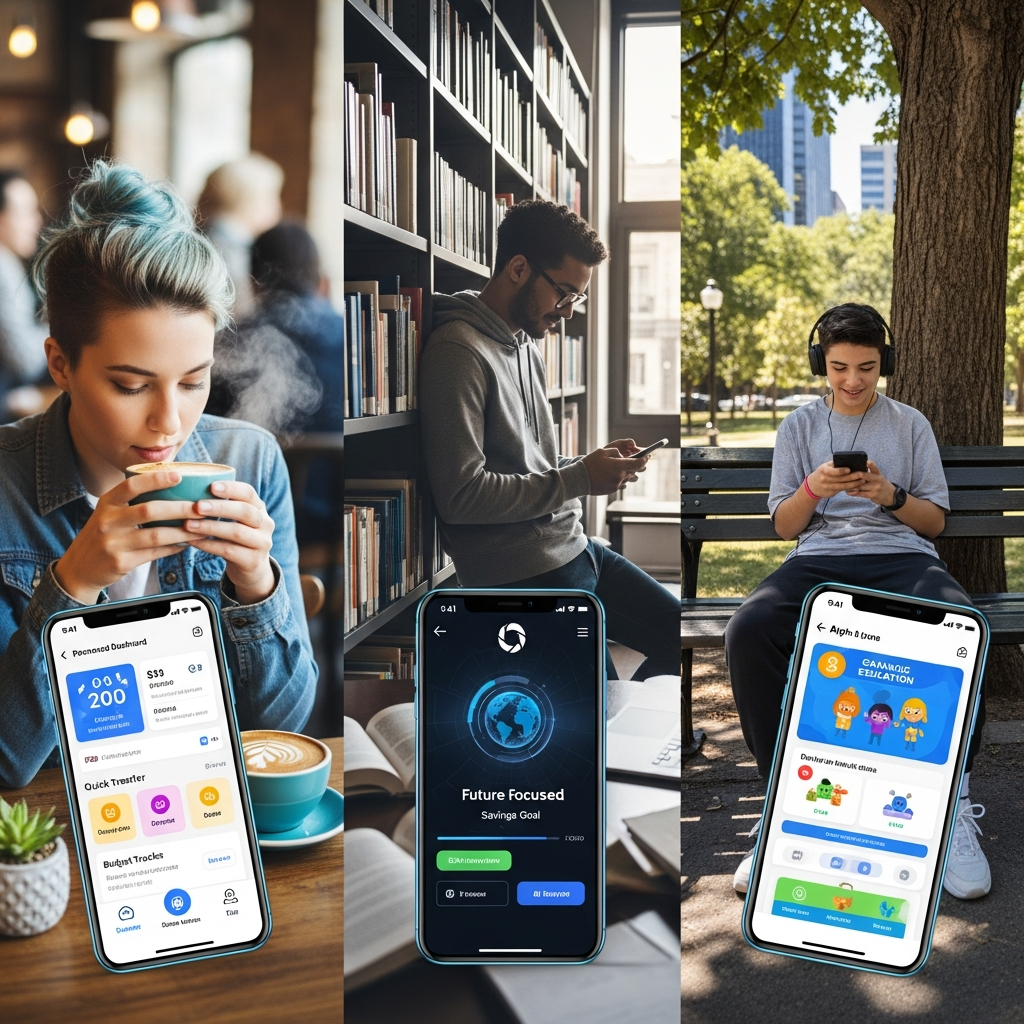
Gen Z and Alpha expect personalized experiences that cater to their specific needs and preferences. Credit unions can achieve this through:
- Personalized Content: Display relevant content based on member demographics, financial goals, and past interactions.
- Customizable Dashboards: Allow members to customize their dashboards to display the information and tools they use most frequently.
- Targeted Offers: Offer personalized financial products and services based on individual needs and risk profiles.
- Chatbots and AI Assistants: Implement chatbots and AI assistants to provide personalized support and guidance.
For example, Navy Federal Credit Union utilizes personalized dashboards to provide members with a customized view of their accounts and financial goals.
Gamification and Interactive Engagement
Gamification involves incorporating game-like elements into non-game contexts to increase engagement and motivation. Credit unions can use gamification to:
- Incentivize Savings: Reward members for achieving savings goals with badges, points, and virtual rewards.
- Promote Financial Literacy: Use interactive quizzes and games to educate members about financial concepts.
- Encourage Engagement: Offer challenges and competitions to encourage members to use the credit union's website and app.
Fintech companies like Acorns effectively use gamification to encourage saving and investment among younger users.
Security and Trust: Addressing Concerns of Digital Natives
This mobile-first mindset in Credit Union Website Design directly correlates with user satisfaction.
Security is a paramount concern for Gen Z and Alpha, who are acutely aware of the risks of online fraud and identity theft. Credit unions must prioritize security by:
- Implementing Multi-Factor Authentication: Require members to use multiple forms of authentication to access their accounts.
- Using Encryption: Encrypt all sensitive data to protect it from unauthorized access.
- Providing Fraud Alerts: Send real-time alerts to members when suspicious activity is detected on their accounts.
- Educating Members: Provide resources and information to help members protect themselves from online scams and fraud.
Accessibility for All: Inclusive Design Practices
Ensuring website accessibility is not just a legal requirement but also a moral imperative. Credit unions should adhere to WCAG (Web Content Accessibility Guidelines) to make their websites accessible to people with disabilities. Key accessibility considerations include:
- Proper Use of Alt Text: Provide descriptive alt text for all images.
- Keyboard Navigation: Ensure that all website features can be accessed using a keyboard.
- Sufficient Color Contrast: Use sufficient color contrast between text and background.
- Screen Reader Compatibility: Design websites to be compatible with screen readers.
NCUA provides resources and guidance on website accessibility for credit unions.
Credit Union Website Examples Targeting Gen Z and Alpha
Implementing responsive Credit Union Website Design is essential for optimizing mobile interactions.
Here are some examples of credit union websites that effectively target Gen Z and Alpha:
- Digital Credit Union: Offers a modern, mobile-first design with a focus on user experience.
- Affinity Federal Credit Union: Provides personalized content and targeted offers based on member needs.
- VyStar Credit Union: Implements a clean and intuitive mobile app with gamified elements.
- PenFed Credit Union: Focuses on security and trust with multi-factor authentication and fraud alerts.
- American First Credit Union: Prioritizes accessibility with proper use of alt text and keyboard navigation.
Future Trends in Credit Union Website Design
Several trends are shaping the future of credit union website design:
- Increased Use of AI: AI-powered chatbots and personalized recommendations will become more prevalent.
- Focus on Immersive Experiences: Virtual and augmented reality may be used to create more engaging experiences.
- Integration with Emerging Technologies: Credit unions will need to integrate with emerging technologies such as blockchain and cryptocurrency.
- Emphasis on Data Privacy: Data privacy and security will become even more critical as data breaches become more common.
This ensures that the Credit Union Website Design remains relevant and effective.
Frequently Asked Questions (FAQ)
A seamless user experience is a hallmark of modern Credit Union Website Design.
Investing in quality Credit Union Website Design will pay dividends in member satisfaction.
References
- McKinsey: Generation Z: The future of financial services
- Statista: Daily time spent using mobile internet worldwide by generation
- Google Think: The need for mobile speed
- Alliant Credit Union website
- Navy Federal Credit Union website
- Acorns website
- National Credit Union Administration (NCUA) website
- Digital Credit Union website
- Affinity Federal Credit Union website
- VyStar Credit Union website
- PenFed Credit Union website
- American First Credit Union website
This article was brought to you by GrafWeb CUSO – Building the future of digital credit unions.
Collaboration in the Credit Union Website Design process is vital for success.
Emphasizing Credit Union Website Design that is user-centric will drive engagement.
Research into effective Credit Union Website Design can guide best practices.
Engaging features in Credit Union Website Design can boost retention rates.