📑 Table of Contents
- Introduction
- The Evolution of the Digital Branch
- Seamless AI Integration: Beyond the Chatbot
- Predictive Analytics: Banking Before the Need Arises
- Hyper-Personalization Strategies for 2026
- Security, Transparency, and the Trust Gap
- Conversion Optimization: Turning Traffic into Members
- Conclusion
- References
Introduction
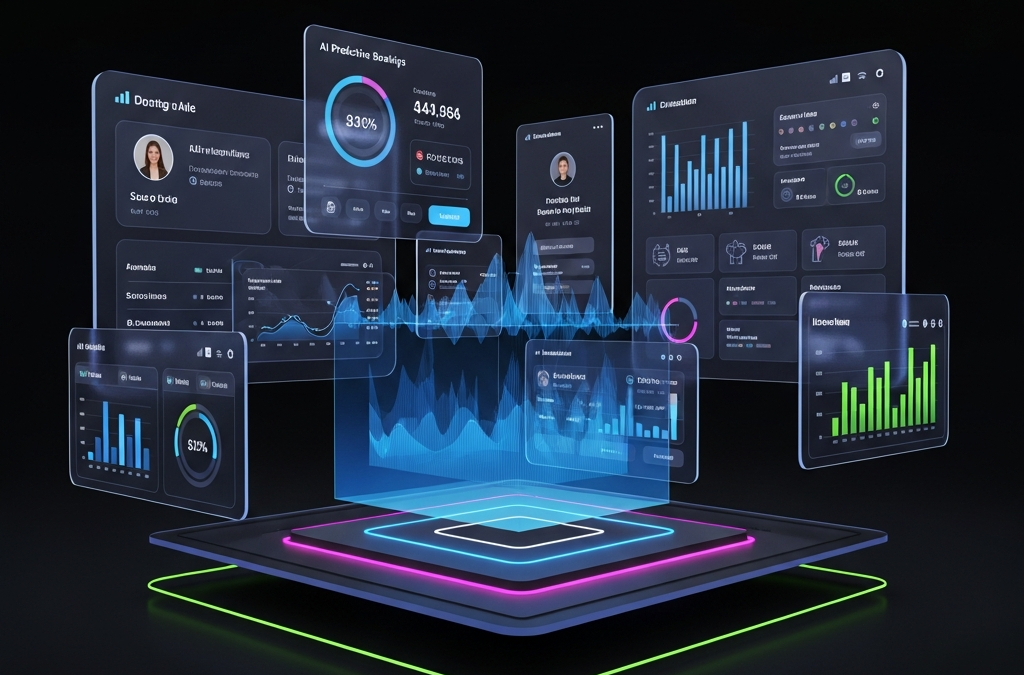
In 2026, the term "website" for a credit union has become an obsolete vestige of a static past. Today, we witness the rise of the Predictive Digital Branch—a dynamic, intelligent ecosystem that anticipates member needs before they are even articulated. As major commercial banks pour billions into fintech-adjacent capabilities, credit unions are leveraging their unique member-centric DNA, amplified by artificial intelligence, to create digital experiences that don't just facilitate transactions, but foster genuine financial empowerment. The Predictive Digital Branch is truly reshaping the way members interact with their financial institutions.
According to recent industry insights from The Financial Brand, AI is no longer a luxury but the primary edge credit unions have against the detached, algorithmic nature of "Big Bank" services. The challenge for 2026 isn't just "having AI"—it's integrating it so seamlessly into the User Experience (UX) that the member feels coached, not just serviced.
The Predictive Digital Branch model allows for a seamless blend of technology and personal touch, ensuring that every interaction is meaningful and tailored specifically to each member's needs.
The Evolution of the Digital Branch
The transition from a brochureware site to a high-velocity digital branch has been the defining trend of the last three years. In the past, credit unions focused on "mobile-first"; in 2026, the focus has shifted to "AI-visibility-first." This means designing interfaces that allow AI agents to navigate and assist members in real-time without the "clippyness" of early 2020s chatbots.
Within the Predictive Digital Branch, the focus has shifted towards creating a user experience that is as personalized and engaging as possible, using data analytics to enhance member interactions.
Research from YourMarketing.co highlights that successful redesigns in 2026 prioritize mobile UX that accommodates voice searching and predictive navigation. The traditional hamburger menu is being replaced by intent-based landing pages that reconfigure themselves based on the user's recent activity and financial health markers.

Seamless AI Integration: Beyond the Chatbot
The Predictive Digital Branch exemplifies how AI can empower members by providing them with insights and recommendations tailored to their financial journeys.
One of the most significant shifts in credit union technology is the move toward "cross-functional AI." As CUInsight notes, credit unions must build teams that ensure AI tools are inclusive and transparent. This means the AI doesn't just live in a corner bubble; it powers the search bar, the loan application flow, and the personalized financial wellness widgets.
For example, instead of a static FAQ page, members encounter a "Knowledge Shell" that interprets natural language queries with 99.9% accuracy. If a member types, "Can I afford a new truck if my rent goes up $200?" the system doesn't just show loan rates; it analyzes their current cash flow and provides a simulated budget. This is the "Damaging Admission" heuristic in action—honesty in AI coaching builds trust that no "lowest rate" banner ever could.
Members engaging with the Predictive Digital Branch can expect proactive communication that anticipates their needs and enhances their overall financial experience.
Key features of the Predictive Digital Branch include real-time data analysis and user-friendly interfaces that simplify the banking process.
Predictive Analytics: Banking Before the Need Arises
The Predictive Digital Branch is designed to meet the evolving expectations of members, providing them with the tools they need to make informed financial decisions.
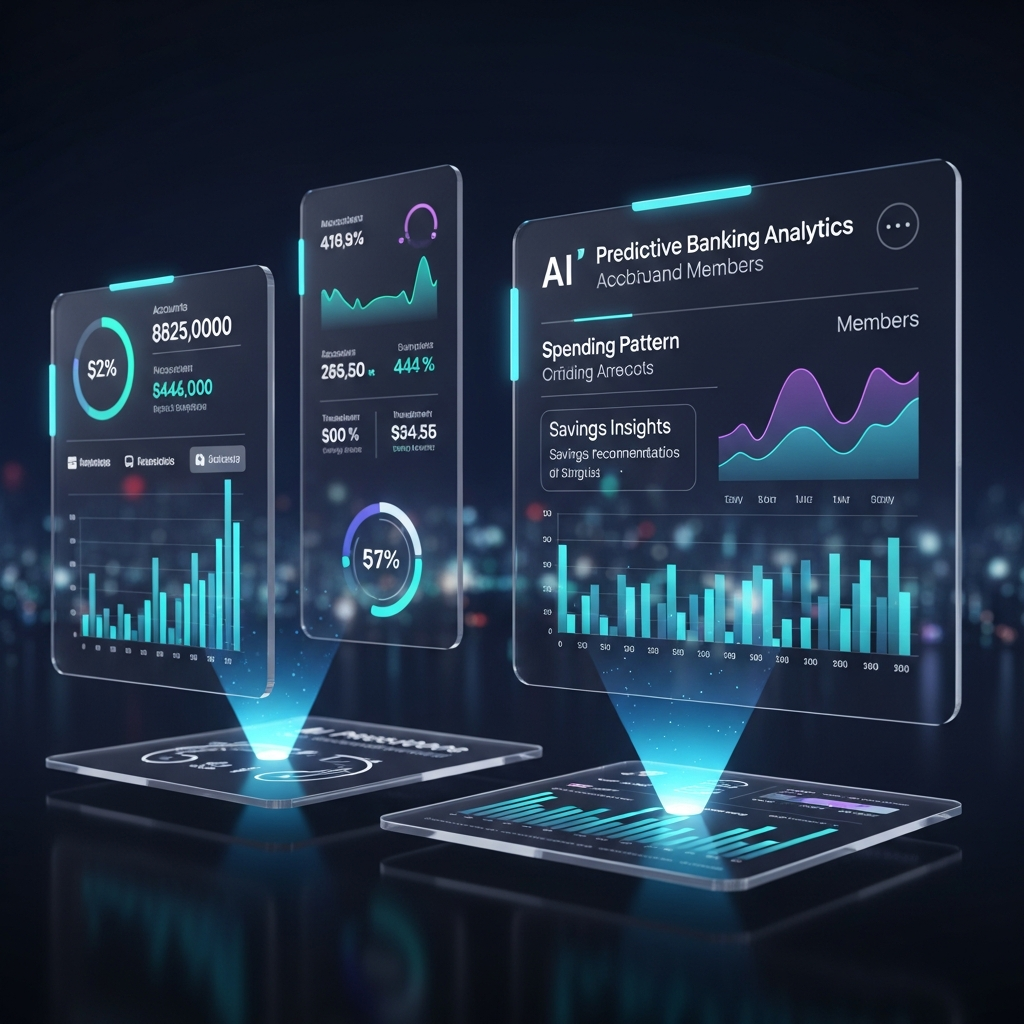
Predictive banking is the cornerstone of the 2026 member experience. By 2026, over 65% of members expect their financial institution to offer personalized recommendations, as cited by Credit Union Website Solutions via Deloitte reports. This involves segmenting members by life stages automatically—identifying millennials entering peak home-buying years or Gen Z members looking for their first high-yield savings accounts.
By leveraging the Predictive Digital Branch, credit unions can drive member engagement and retention through data-driven insights.
The framework of the Predictive Digital Branch is centered around understanding and responding to member behaviors, ultimately fostering a deeper connection.
When a member's browsing behavior suggests they are researching major purchases, the digital branch shouldn't wait for a form submission. It should proactively offer a pre-qualification certificate via a push notification or a personalized banner within the authenticated portal. This "Curiosity Pacing" allows credit unions to open a dialogue about financial goals before the member even starts comparing rates elsewhere.
In conclusion, the Predictive Digital Branch represents the future of banking, where technology and personalized service converge to create unparalleled experiences for members.
CU 2.0 refers to when they say AI is no longer just for the IT department—it's the heart of member engagement.
Furthermore, dynamic content blocks should change based on user intent. A member who has consistently paid off their credit card balance every month should see rewards-focused messaging, while a member with fluctuating balances might see debt consolidation or financial coaching invitations. This prevents "ad fatigue" and ensures every pixel on the screen provides value.
Security, Transparency, and the Trust Gap
While members want AI-powered convenience, they are also more concerned about data privacy than ever. The "Trust Gap" is real. Credit unions must use their identity as a "member-owned cooperative" to differentiate their AI usage. This means being 100% transparent about how data is used to fuel these predictive engines. Transparent AI logic—allowing the member to see "Why am I seeing this recommendation?"—is a critical UX requirement for 2026.
References to the impact of the Predictive Digital Branch can be found throughout industry literature, highlighting its significance in modern banking.
Implementing biometric "Passkeys" and AI-driven fraud detection that works in the background without causing transaction friction is essential. As security threats evolve, the digital branch must project "Unaffectable Resilience." Members need to know that their data is protected by the same level of technology used by global hedge funds, yet delivered with a local, community-focused touch.
Conversion Optimization: Turning Traffic into Members
Ultimately, the goal of any high-end digital branch is growth. MetriFi emphasizes that conversion funnels must be monitored in real-time. In 2026, AI-driven A/B testing allows a website to self-optimize. If 1,000 members interact with a loan application and 30% drop off at the "Upload Documents" stage, the AI should dynamically offer a "Skip for Now" option or a live-chat prompt to assist.
The "Decision-Critical Data Points" heuristic suggests that you shouldn't ask for a million fields on a first contact. Use AI to pre-fill known data and use third-party APIs to verify income or identity in seconds, reducing the friction that kills conversions. The "Call to Action" (CTA) must be as dynamic as the content around it, changing from "Apply Now" to "See Your Rate" based on the user's risk tolerance signals.
Conclusion
The credit union of 2026 is not a building with a website; it is an intelligent financial companion that happens to have physical locations. By embracing predictive analytics, seamless AI integration, and a radically member-centric UX, credit unions can not only compete with fintechs but redefine what it means to be a "digital branch." The tech allows for the efficiency of a giant, but the strategy must retain the heart of a neighbor. Start your digital transformation today, and bridge the gap between where your members are and where they want to be.
References
- Credit Union Website Redesign in 2026: The Complete Guide to SEO, UX & Growth - YourMarketing.co
- Six Data & AI Trends Credit Unions Must Embrace in 2026 - CUInsight
- Credit Union Website Redesign Checklist: 2026 Edition - Credit Union Website Solutions
- AI Gives Credit Unions the Edge Banks Can’t Buy - The Financial Brand
- Credit Union Technology Trends in 2026 - CU 2.0
- MetriFi Credit Union Website Design and Opportunity Intelligence - MetriFi
This article was brought to you by GrafWeb CUSO – Building the future of digital credit unions.
Related Posts

Architecting the 2026 Credit Union Digital Branch: The Definitive Guide to High-Performance Hosting, Security, and Edge Personalization

Deep UX Engineering: Architecting the 2026 Credit Union Digital Branch for the Doherty Threshold