
📑 Table of Contents
- Introduction
- What is Digital Branching?
- The Importance of Personalization in Digital Branching
- Understanding Member Needs and Preferences
- Data-Driven Personalization Strategies
- Technology Solutions for Personalization
- Best Practices for Implementing Personalized Digital Experiences
- Measuring the Impact of Personalization
- Examples of Successful Personalization in Credit Unions
- Challenges and Considerations
- The Future of Personalization in Digital Branching
- Conclusion
- References
Digital branching has revolutionized the way credit unions interact with their members. However, in today's digital age, simply having a digital presence is not enough. Members expect personalized experiences that cater to their individual needs and preferences. This article delves into the importance of personalized digital experiences within credit union digital branching, providing insights and strategies to enhance member engagement and satisfaction. Personalized experiences in digital branching empower credit unions to foster stronger member relationships, increase loyalty, and drive growth. Studies show that personalized experiences significantly improve customer satisfaction, leading to higher retention rates and increased revenue. A McKinsey report indicates that companies excelling at personalization generate 40% more revenue than average players.
Table of Contents
- Introduction
- What is Digital Branching?
- The Importance of Personalization in Digital Branching
- Understanding Member Needs and Preferences
- Data-Driven Personalization Strategies
- Technology Solutions for Personalization
- Best Practices for Implementing Personalized Digital Experiences
- Measuring the Impact of Personalization
- Examples of Successful Personalization in Credit Unions
- Challenges and Considerations
- The Future of Personalization in Digital Branching
- Conclusion
- References
Introduction
In the rapidly evolving landscape of financial services, credit unions are continuously seeking innovative ways to enhance member engagement and satisfaction. Digital branching has emerged as a key strategy, enabling credit unions to extend their reach and offer convenient services to members anytime, anywhere. However, to truly stand out in a competitive market, credit unions must go beyond simply providing digital channels and focus on delivering personalized digital experiences that cater to the unique needs and preferences of each member.
What is Digital Branching?
Digital branching refers to the use of digital channels and technologies to deliver banking services and interact with members. These channels include online banking platforms, mobile apps, chatbots, video conferencing, and other digital tools. Digital branching allows members to conduct transactions, access information, and receive support without visiting a physical branch. Digital branching also makes credit unions more accessible and convenient, especially for members who prefer to bank remotely or have limited access to physical branches.
The Importance of Personalization in Digital Branching
Personalization in digital branching involves tailoring the member experience to match individual needs, preferences, and behaviors. This includes customizing content, offers, and services based on member data and interactions. Personalization is crucial for several reasons:
- Enhanced Member Engagement: Personalized experiences capture member attention and encourage them to interact more frequently with digital channels.
- Increased Member Satisfaction: When members feel understood and valued, their satisfaction levels increase, leading to greater loyalty and positive word-of-mouth referrals.
- Improved Conversion Rates: Personalized offers and recommendations are more likely to resonate with members, driving higher conversion rates for products and services.
- Stronger Member Relationships: Personalization fosters a sense of connection and trust between the credit union and its members, building stronger, more enduring relationships.
- Competitive Advantage: In a crowded market, personalization helps credit unions differentiate themselves and attract and retain members who seek tailored experiences.
Understanding Member Needs and Preferences
To effectively personalize digital experiences, credit unions must first gain a deep understanding of their members' needs and preferences. This involves collecting and analyzing data from various sources, including:
- Member Profiles: Demographic information, account details, and transaction history provide valuable insights into member characteristics and financial behaviors.
- Digital Interactions: Tracking member activity across digital channels, such as website visits, mobile app usage, and chatbot conversations, reveals their interests and preferences.
- Feedback and Surveys: Gathering member feedback through surveys, polls, and online reviews helps identify areas for improvement and uncover unmet needs.
- Social Media: Monitoring social media channels provides insights into member sentiment, opinions, and preferences related to financial topics and credit union services.
- Focus Groups and Interviews: Conducting focus groups and interviews allows for in-depth exploration of member needs, motivations, and pain points.
Data-Driven Personalization Strategies
Once credit unions have a solid understanding of their members, they can leverage data-driven strategies to personalize digital experiences. Some effective personalization strategies include:
- Personalized Content: Deliver relevant content, such as articles, blog posts, and videos, based on member interests and financial goals.
- Targeted Offers: Present personalized offers for products and services that align with member needs and preferences.
- Customized Recommendations: Provide recommendations for financial tools, resources, and services that can help members achieve their financial goals.
- Personalized Onboarding: Guide new members through a customized onboarding process that highlights key features and benefits relevant to their individual circumstances.
- Dynamic Website Content: Display different content on the website based on member demographics, behavior, and preferences.
- Personalized Email Marketing: Send targeted email campaigns with personalized messages and offers that resonate with individual members.
Technology Solutions for Personalization
Implementing personalized digital experiences requires the right technology solutions. Credit unions can leverage a variety of tools and platforms to collect, analyze, and activate member data. Some key technology solutions for personalization include:
- Customer Relationship Management (CRM) Systems: CRM systems provide a centralized repository for member data, enabling credit unions to track interactions, manage relationships, and personalize communications.
- Data Analytics Platforms: Data analytics platforms allow credit unions to analyze member data, identify patterns and trends, and gain insights into member behavior.
- Marketing Automation Platforms: Marketing automation platforms enable credit unions to automate personalized marketing campaigns, deliver targeted content, and track campaign performance.
- Personalization Engines: Personalization engines use algorithms and machine learning to deliver personalized content, offers, and recommendations in real-time.
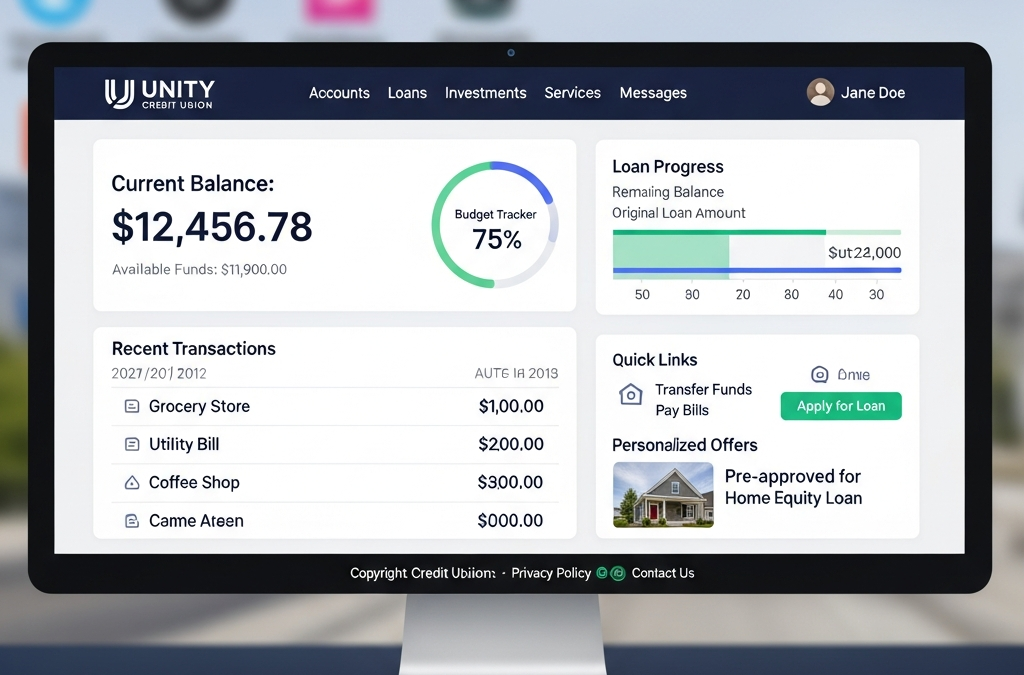
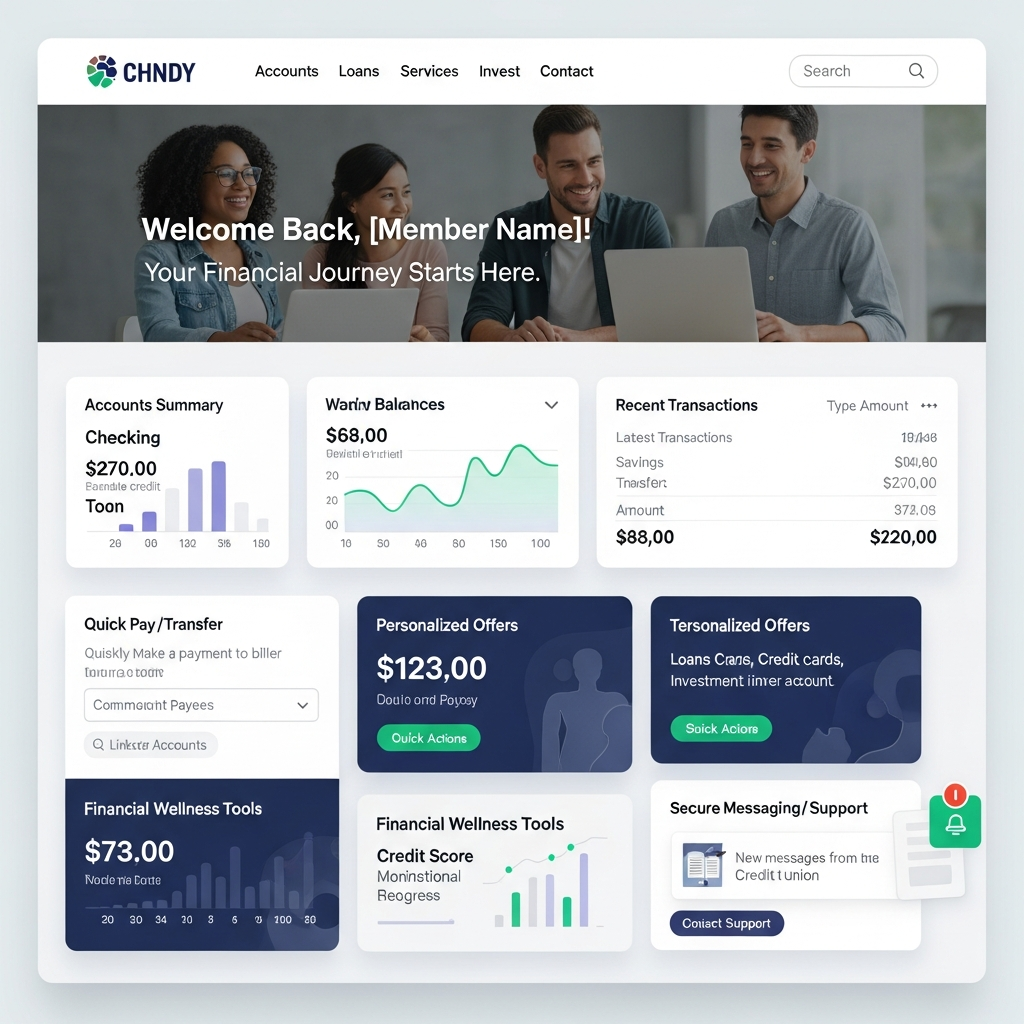
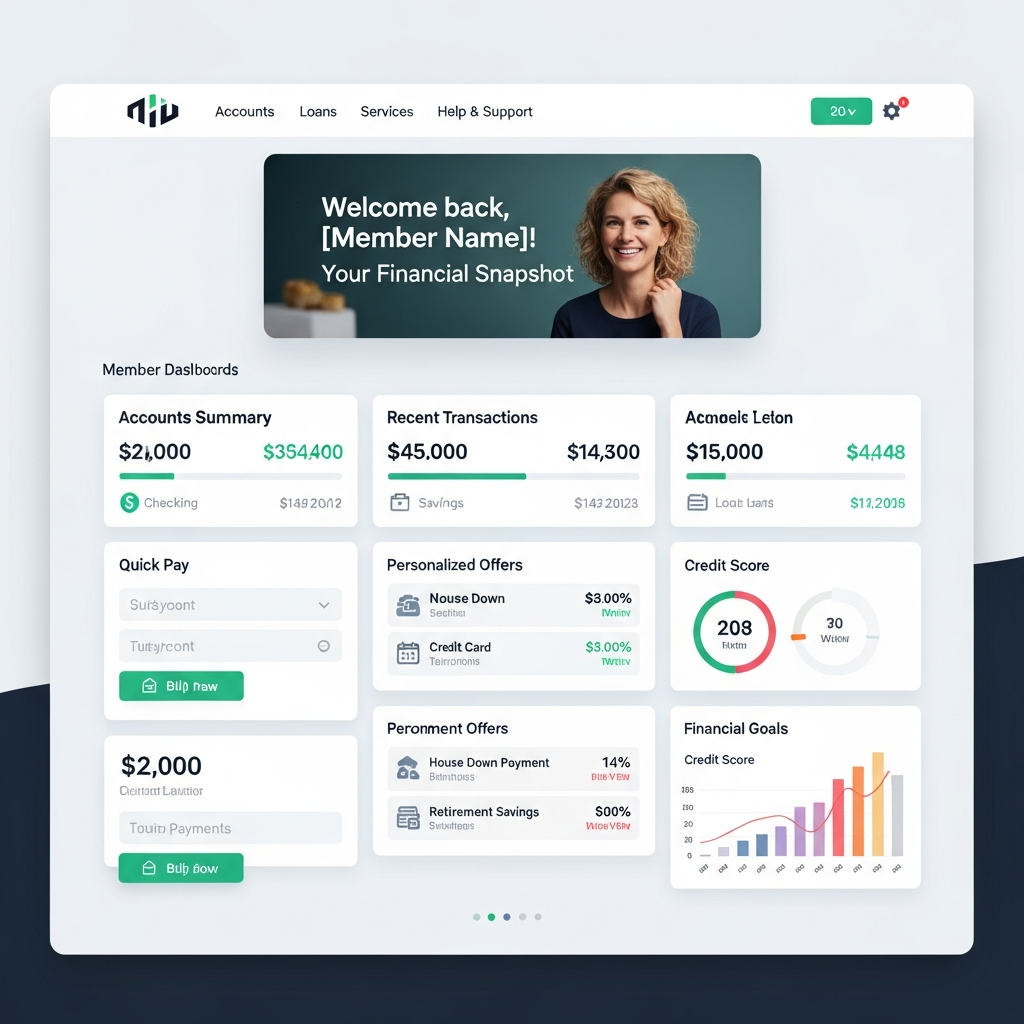
- Digital Banking Platforms: Digital banking platforms provide a foundation for delivering personalized digital experiences, offering features such as customized dashboards, targeted messaging, and personalized offers.
Best Practices for Implementing Personalized Digital Experiences
To ensure successful implementation of personalized digital experiences, credit unions should follow these best practices:
- Start with a Clear Strategy: Define clear goals and objectives for personalization initiatives, aligning them with overall business goals.
- Prioritize Member Privacy and Security: Ensure that all data collection and usage practices comply with privacy regulations and industry best practices.
- Obtain Member Consent: Obtain explicit consent from members before collecting and using their data for personalization purposes.
- Provide Transparency: Be transparent with members about how their data is being used and provide them with control over their personalization preferences.
- Test and Optimize: Continuously test and optimize personalization efforts to improve their effectiveness and ensure they are delivering the desired results.
- Train Staff: Provide staff with the training and resources they need to effectively implement and manage personalized digital experiences.
- Collaborate Across Departments: Foster collaboration between marketing, IT, and other departments to ensure a coordinated approach to personalization.
Measuring the Impact of Personalization
It is essential to measure the impact of personalization efforts to determine their effectiveness and identify areas for improvement. Key metrics to track include:
- Member Engagement: Track metrics such as website visits, mobile app usage, and chatbot interactions to measure member engagement with digital channels.
- Member Satisfaction: Measure member satisfaction through surveys, polls, and online reviews.
- Conversion Rates: Track conversion rates for personalized offers and recommendations.
- Retention Rates: Monitor member retention rates to assess the impact of personalization on member loyalty.
- Revenue Growth: Analyze revenue growth to determine the impact of personalization on sales and profitability.
Examples of Successful Personalization in Credit Unions
Several credit unions have successfully implemented personalized digital experiences, achieving significant results. Here are a few examples:
- Navy Federal Credit Union: Navy Federal Credit Union uses personalized messaging and offers to engage members across digital channels, resulting in a 20% increase in member satisfaction.
- Alliant Credit Union: Alliant Credit Union leverages data analytics to identify members who are likely to need specific products and services, delivering targeted offers that have increased conversion rates by 15%.
- BECU: BECU uses personalized onboarding to guide new members through key features and benefits, resulting in a 10% increase in member retention.
Challenges and Considerations
Despite the potential benefits, implementing personalized digital experiences also presents several challenges and considerations:
- Data Silos: Data silos can hinder personalization efforts by preventing credit unions from gaining a holistic view of their members.
- Legacy Systems: Legacy systems may not be compatible with modern personalization technologies, making it difficult to integrate data and deliver personalized experiences.
- Budget Constraints: Implementing personalization technologies and strategies can be expensive, requiring significant investment in software, hardware, and staff training.
- Lack of Expertise: Credit unions may lack the expertise needed to effectively collect, analyze, and activate member data for personalization purposes.
- Member Resistance: Some members may be resistant to personalization, feeling that it is intrusive or that their data is not being used responsibly.
The Future of Personalization in Digital Branching
The future of personalization in digital branching is bright, with emerging technologies and trends poised to further enhance the member experience. Some key trends to watch include:
- Artificial Intelligence (AI): AI-powered personalization engines will enable credit unions to deliver even more personalized experiences, anticipating member needs and providing proactive support.
- Machine Learning (ML): ML algorithms will continuously learn from member data, improving the accuracy and effectiveness of personalization efforts.
- Real-Time Personalization: Real-time personalization will enable credit unions to deliver dynamic, context-aware experiences that adapt to member behavior in the moment.
- Omnichannel Personalization: Omnichannel personalization will ensure a seamless, consistent experience across all digital and physical channels.
- Hyper-Personalization: Hyper-personalization will involve delivering highly tailored experiences that cater to the individual preferences and circumstances of each member.
Conclusion
Personalized digital experiences are essential for credit unions seeking to thrive in today's competitive market. By understanding member needs, leveraging data-driven strategies, and implementing the right technology solutions, credit unions can deliver tailored experiences that enhance member engagement, increase satisfaction, and drive growth. As technology continues to evolve, the future of personalization in digital branching is promising, with AI, ML, and real-time personalization poised to revolutionize the member experience.
References
This article was brought to you by GrafWeb CUSO – Building the future of digital credit unions.