
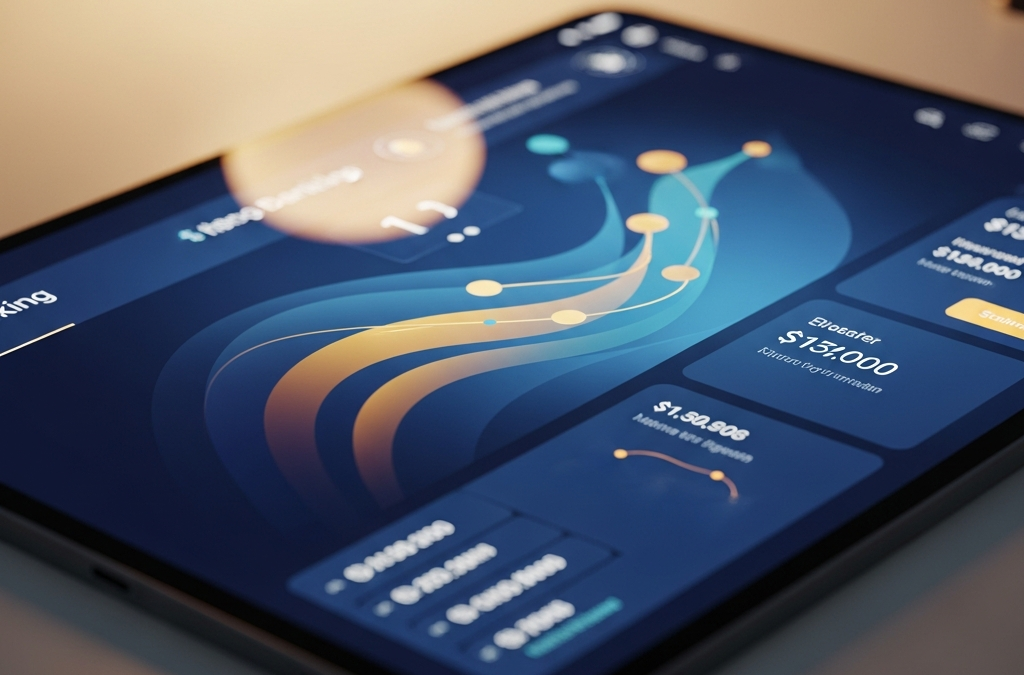
The Architecture of Emotion: Designing 2026 Credit Union Websites for Trust
- Introduction: Beyond Utility—The Emotional Imperative
- The Psychology of Trust in Digital Banking
- Visceral Response: The First 50 Milliseconds of UX
- Neuro-Aesthetics and Financial Decision Making
- Storytelling Strategy: From Products to People
- Micro-interactions: The Sound of Digital Security
- Accessibility as Emotional Inclusion
- AI-Driven Predictive Empathy
- Implementing the Emotional Framework: A 2026 Roadmap
- References
The Architecture of Emotion: Designing 2026 Credit Union Websites for Trust emphasizes the importance of emotional design.
Introduction: Beyond Utility—The Emotional Imperative
In the hyper-competitive financial landscape of 2026, functionality is no longer a differentiator; it is a commodity. For credit unions, the challenge has shifted from provides "digital tools" to architecting "digital experiences" that resonate on a biological level. As traditional banks lean into cold, efficient automation, credit unions have a unique opportunity to leverage their community-centric DNA through Emotional Design.
Emotional design is the practice of creating interfaces that elicit specific psychological responses—trust, security, empowerment, and belonging. According to research from MetriFi's analysis of 75 A/B tests, credit union websites that prioritize emotional connection over mere transactionality see significantly higher member retention and loan conversion rates. This article explores the deep UX principles required to build the digital branch of the future.
The Psychology of Trust in Digital Banking
Trust is the fundamental currency of any financial institution. In the digital realm, trust is not built through a single header or an SSL badge; it is a cumulative effect of consistent, reliable, and transparent design patterns. Psychological frameworks suggest that trust is composed of competence, benevolence, and integrity.
When a member engages with a credit union website, they are subconsciously scanning for "trust signals." These include high-quality typography, professional imagery, and a layout that follows Jakob’s Law—leveraging familiar patterns to reduce cognitive load. If a user feels "at home," they feel safe. Strategic "damaging admissions," a technique advocated by marketers like Alex Hormozi, can also be used digitially. By being upfront about project timelines or eligibility requirements, credit unions build a level of radical transparency that fintechs often obscure with fine print.
Visceral Response: The First 50 Milliseconds of UX
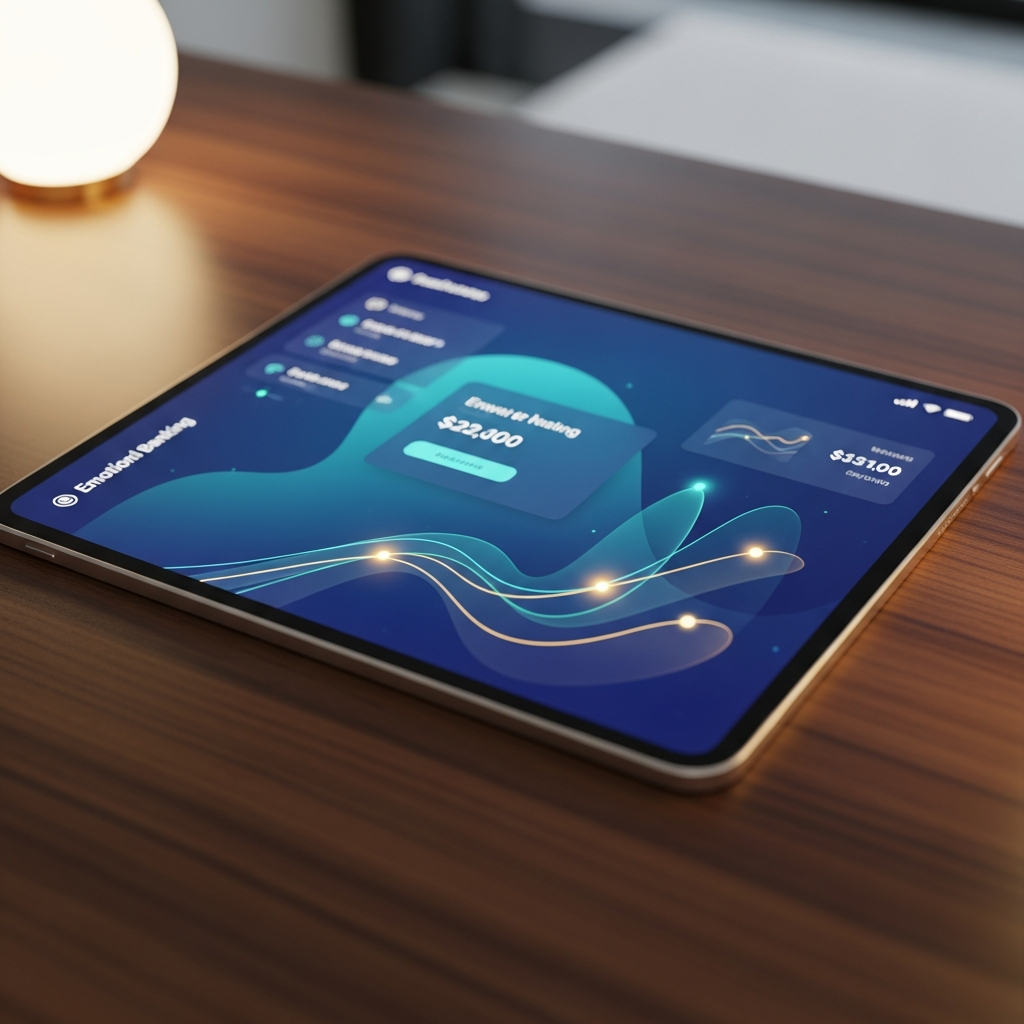
Humans make aesthetic judgments in as little as 50 milliseconds. This visceral response is entirely subconscious and is driven by the primitive brain's reaction to color, contrast, and balance. In credit union web design, the visceral layer is responsible for the immediate feeling of "This is a serious institution" versus "This is a social club."
For 2026, the trend is moving toward "Professional Minimalism"—large, high-resolution photography of real people (UGC) combined with ample white space and sophisticated color palettes. Avoid the "bank blue" clichés of the early 2010s; instead, utilize deep navy, forest green, or slate grey accented with warm gold or copper to signify stability and prosperity.
Neuro-Aesthetics and Financial Decision Making
Neuro-aesthetics is the study of how the brain processes aesthetic experiences. In financial UX, we use this to guide the member toward "Flow States." When a loan application process is visually harmonious and cognitively light, the brain releases dopamine, associating the credit union with ease and success. Conversely, a cluttered, high-friction interface triggers cortisol—the stress hormone—leading to application abandonment.
By applying Hick’s Law (minimizing choices) and the Von Restorff Effect (making critical CTAs stand out), designers can shepherd members through complex financial journeys without triggering the "fight or flight" response often associated with debt and money management.
Storytelling Strategy: From Products to People
Traditional banking websites are product catalogs: "Auto Loans," "Mortgages," "Savings." Credit unions, however, are stories. Storytelling in credit union design involves shifting the focus from the what to the who. Instead of a "Mortgage" button, consider a "First Home Journey" module featuring a real member's testimonial.
This approach humanizes the digital branch. As noted by industry experts, storytelling possesses a unique ability to evoke emotions and leave "indelible impressions," differentiating the credit union from the robotic efficiency of mega-banks. It transforms a transaction into a partnership.
Micro-interactions: The Sound of Digital Security
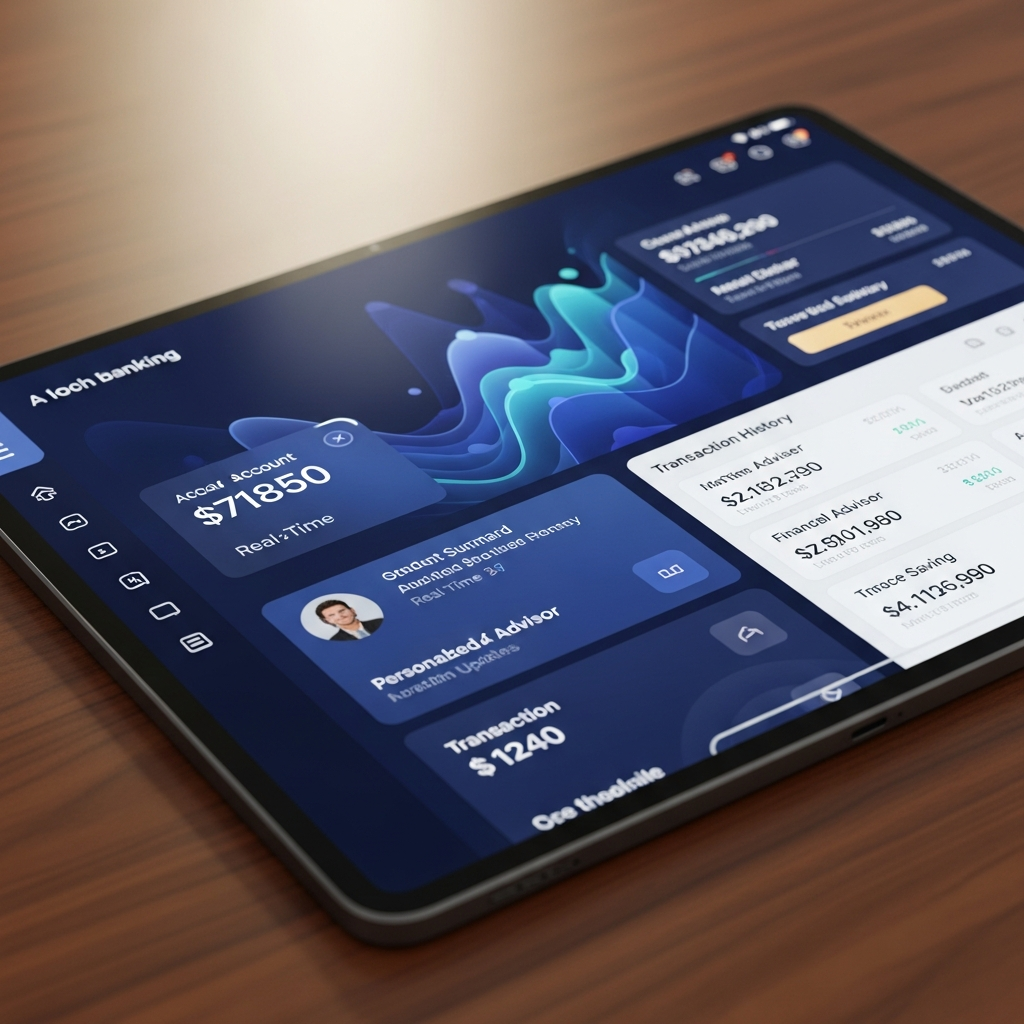
Micro-interactions are the subtle animations or haptic feedbacks that occur during a user’s journey—a button that gently "depresses" when clicked, or a progress bar that glides smoothly. These details are the "digital body language" of the website. In 2026, these interactions must signify security. A "payment sent" animation that is too fast can feel flimsy; one that is deliberate and "weighty" feels secure and final.
Accessibility as Emotional Inclusion
ADA compliance is often viewed as a legal hurdle, but in the context of emotional design, it is an act of Cognitive Inclusion. A digital branch that is accessible to neurodivergent members or those with visual impairments sends a powerful emotional message: "You belong here." Features like high-contrast modes, legible font scaling, and keyboard-navigable menus are not just "compliance items"—they are manifestations of the credit union's "people helping people" philosophy.
AI-Driven Predictive Empathy
The next frontier of emotional design is Predictive Empathy. By leveraging AI to analyze member behavior, a website can adapt its UI in real-time. If a member repeatedly visits the "Hardship Support" page, the site shouldn't show them ads for luxury car loans; it should proactively offer a "Talk to a Human" button or highlight debt consolidation tools. This "conditional design" shows members that the credit union truly understands their current emotional and financial state.
Implementing the Emotional Framework: A 2026 Roadmap
To move from a functional site to an emotional powerhouse, credit unions should follow this three-step roadmap:
- Audit the Visceral Layer: Run "5-second tests" to see what immediate emotions your current homepage evokes.
- Map the Emotional Journey: Identify high-stress touchpoints (e.g., denying a loan or reporting a lost card) and redesign them with empathetic copy and supportive visuals.
- Deploy UGC Loops: As suggested by growth strategies from creators like Hormozi, incentivize members to share their "win" stories directly on the platform to build authentic social proof.
References
- The Credit Union Connection: Analysis of 75 A/B Tests in 2026
- How UX Design Can Boost Customer Trust in Credit Unions
- The Role of Storytelling in Credit Union Website Design
- Transforming Member Experience via UX Research
This article was brought to you by GrafWeb CUSO – Building the future of digital credit unions.
Request a proposal from GrafWebCUSO · (201) 632-1771 · [email protected]