
📑 Table of Contents
In an era where instant gratification is the baseline expectation, credit unions are facing a pivotal challenge: how to implement Data-Driven Credit Union Website Design that meets member needs.
As credit unions navigate the complexities of modern banking, they must adapt their online presence through Data-Driven Credit Union Website Design to meet member expectations. This begins with a comprehensive understanding of user experience (UX) and the crucial role of data analytics in shaping it.
Data analytics is not merely a tool; it is the backbone of effective Data-Driven Credit Union Website Design. By collecting and analyzing user data, credit unions can uncover insights into member preferences, behaviors, and pain points. This information can lead to more tailored services and enhanced user interfaces.
For instance, utilizing heat maps can show where users are clicking most frequently on a website designed with a Data-Driven Credit Union Website Design approach. This insight allows credit unions to prioritize the placement of important information, ensuring that members can easily find what they need.
Furthermore, personalized content recommendations based on user behavior can significantly enhance engagement and retention in a Data-Driven Credit Union Website Design. By analyzing transaction history, credit unions can present relevant offers or services that resonate with individual members.
Moreover, integrating member feedback mechanisms can provide ongoing insights into their satisfaction levels. Surveys and feedback forms can be strategically placed throughout the website to capture real-time opinions and suggestions, making members feel valued and heard.
As more members turn to digital channels, understanding user journeys becomes paramount. Mapping out the various paths members take when seeking information can highlight obstacles they encounter and reveal opportunities for optimization.
For example, if analytics show that members frequently abandon loan applications midway, credit unions can investigate and address the underlying issues, whether it be a lengthy process or confusion about the requirements.
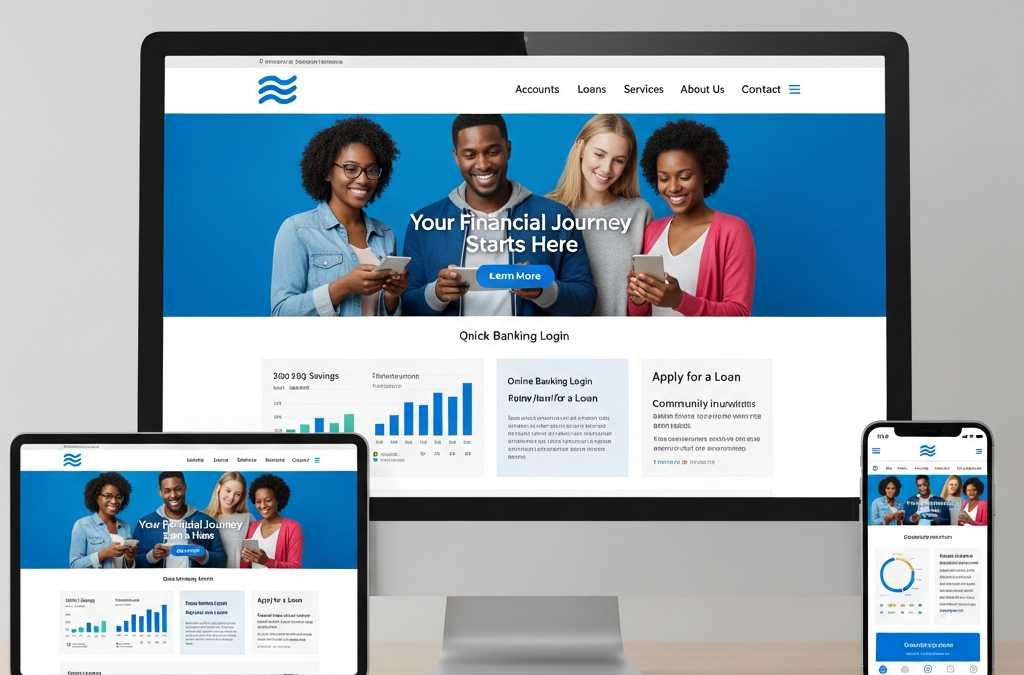
In addition, it’s essential to create a responsive design that caters to mobile users. With a growing number of members accessing their accounts via smartphones, ensuring a seamless mobile experience can significantly impact member satisfaction and retention.
Incorporating features like mobile check deposits and push notifications for account alerts can not only enhance service delivery but also keep members engaged with their accounts.
Furthermore, optimizing loading speeds is critical. A slow website can lead to high bounce rates, as members may not be willing to wait for content to load. Streamlining the website’s code and utilizing efficient hosting solutions can improve performance.
To further enhance member engagement, credit unions can leverage social media integration. Allowing members to share their experiences or achievements, such as completing a loan application or achieving savings milestones, can not only promote the credit union but also foster a sense of community among members.
Data-Driven Credit Union Website Design is crucial for staying competitive in this dynamic environment.
Moreover, hosting webinars or online workshops can educate members on financial literacy, investment strategies, or credit management. This not only positions the credit union as a thought leader but also empowers members to make informed financial decisions.
Additionally, implementing a robust security framework is vital for maintaining member trust. Regularly updating security measures and educating members about safe online practices can mitigate risks and enhance the overall trust in the credit union’s digital offerings.
As credit unions look to the future, embracing the latest technologies will be crucial. Incorporating blockchain technology for secure transactions or utilizing virtual reality for immersive member education could redefine the banking experience.
Ultimately, the convergence of technology and personalized service will shape the next era of credit unions. By continually assessing member needs and adapting to technological advancements, credit unions can ensure they remain relevant and competitive.
to provide high-touch, personalized support 24/7 without exponentially increasing operational costs. The answer lies
in the strategic implementation of AI-driven chat solutions.
For decades, credit unions have prided themselves on superior member service. However, as digital banking becomes the
primary interaction point, the traditional “call center” model is struggling to kept up. Members don’t want to wait
on hold for simple balance inquiries or branch hours; they want answers now.
Beyond the “If/Then” Logic: The New Generation of AI
The first generation of chatbots often frustrated members with rigid decision trees and unhelpful responses. Today’s
generative AI and Large Language Models (LLMs) have changed the game. Modern AI chatbots for credit unions can
understand natural language, interpret intent, and provide nuanced answers that feel human.

These systems don’t just point members to an FAQ page; they can perform complex tasks like initiating loan
applications, resetting passwords, and even providing basic financial wellness advice based on transactional
In conclusion, as we delve deeper into the digital age, credit unions must prioritize a Data-Driven Credit Union Website Design that not only meets but exceeds member expectations. The integration of innovative technologies, a focus on user experience, and a commitment to member satisfaction will be the keys to success in this competitive landscape.
history.
Enhancing the Member Experience (MX) Through 24/7 Availability
The digital branch never closes. By deploying AI chat, credit unions ensure that a member can resolve an issue at
11:00 PM on a Sunday just as easily as they could at 10:00 AM on a Tuesday. This constant availability builds trust
and positions the credit union as a modern, member-centric institution.
- Reduced Wait Times: Instant responses to common queries.
- Consistent Accuracy: AI doesn’t have “bad days” or forget protocols.
- Seamless Handoffs: When a human is needed, the AI provides the full transcript to the agent for
a frictionless experience.
Operational Efficiency and Cost Savings
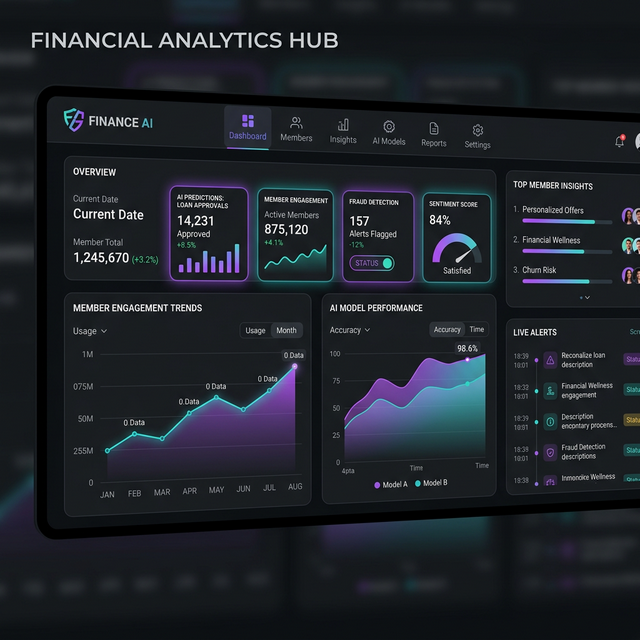
By automating up to 80% of routine inquiries, AI chat allows human staff to focus on high-value interactions like
mortgage counseling and complex problem-solving. This shift from “information dispensers” to “financial advisors”
increases employee satisfaction and provides a higher ROI for the institution.
Conclusion: The Future is Conversational
The integration of AI is no longer a luxury; it is a necessity for credit unions that wish to remain competitive in
the fintech landscape. By embracing conversational AI, credit unions can scale their legendary service to meet the
demands of the digital age.
This article was brought to you by GrafWeb CUSO – Building the future of
digital credit unions.



Request a proposal from GrafWebCUSO · (201) 632-1771 · [email protected]