
📑 Table of Contents
In an era where instant gratification is the baseline expectation, credit unions are facing a pivotal challenge: how
As members increasingly expect personalized experiences in every aspect of their lives, credit unions must adapt by enhancing their online presence. This includes creating websites that not only inform but also engage users through tailored experiences. The importance of personalized UX/UI for credit union websites cannot be overstated, as it directly influences member satisfaction and retention rates.
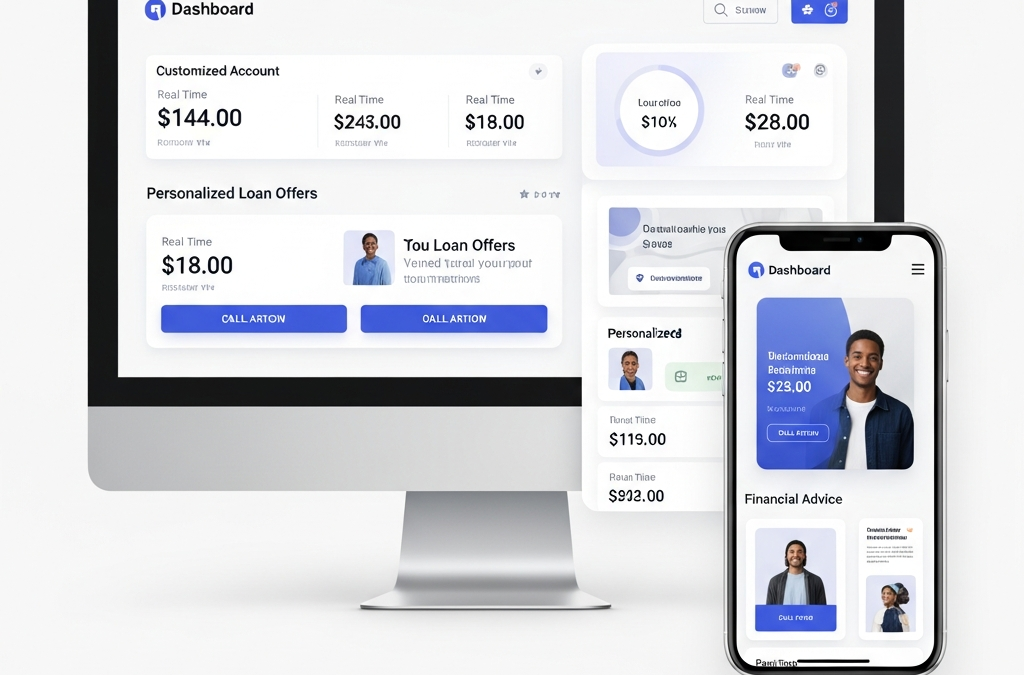
Personalized UX/UI can take many forms, including user-specific content, customized navigation paths, and adaptive interfaces that respond to individual member behaviors and preferences. By utilizing data analytics, credit unions can create a more dynamic web experience that anticipates the needs of their users.
One effective way to enhance this experience is through the use of Personalized UX/UI for Credit Union Websites.
For example, a member interested in auto loans could be presented with a dedicated landing page that features tailored content, such as loan comparison tools, personalized offers, and relevant articles. This not only enhances the user experience but also increases the likelihood of conversion.
Furthermore, personalized UX/UI can drive engagement by integrating interactive elements such as calculators, quizzes, and live chat features. These elements encourage users to interact with the website, fostering a sense of connection and loyalty to the credit union.
Additionally, implementing A/B testing on various elements of the website can provide valuable insights into member preferences and behaviors. By analyzing engagement metrics, credit unions can refine their approach to personalized UX/UI, ensuring that the website remains relevant and appealing to its members.
In this context, the role of feedback becomes crucial. Credit unions should actively seek member input on their online experiences through surveys and feedback forms, allowing them to continuously improve their personalized UX/UI strategies. This iterative process can lead to a more refined and satisfying online experience for all members.
When members feel that a credit union truly understands their needs and preferences, they are more likely to engage with the institution on a deeper level. This emotional connection can translate to increased loyalty and advocacy, driving referrals and enhancing the credit union's reputation in the community.
One of the most significant advantages of personalized UX/UI is the ability to segment member interactions. Credit unions can tailor their communication strategies based on member demographics, preferences, and financial behaviors, ensuring that members receive the most relevant information and services.
This level of personalization extends to the website's visual design as well. A responsive layout that adjusts based on member preferences, such as preferred colors or font sizes, can significantly enhance user comfort and satisfaction. Ensuring accessibility for all members, including those with disabilities, is also a critical component of an effective personalized UX/UI strategy.
Moreover, integrating personalized content recommendations based on members' past interactions can lead to improved user experiences. For example, if a member frequently accesses resources related to home buying, the website could suggest articles, tools, and services that align with their interests.
in the strategic implementation of AI-driven chat solutions.
In addition to enhancing member interaction, personalized UX/UI can also promote financial literacy among members. By providing tailored educational content, credit unions can empower their members to make informed financial decisions, fostering a more knowledgeable community.
As financial services become increasingly competitive, credit unions must leverage technology to differentiate themselves. By investing in personalized UX/UI for credit union websites, they can create a unique identity that resonates with their members and meets their evolving needs.
For decades, credit unions have prided themselves on superior member service. However, as digital banking becomes the
Transitioning to a more personalized approach requires a cultural shift within the organization as well. Staff training and development programs should emphasize the importance of member-centric practices, ensuring that all employees understand and contribute to the goal of providing exceptional member experiences.
Furthermore, adapting to changing member expectations also involves staying abreast of technological advancements. Credit unions should routinely evaluate their digital offerings and explore new tools and platforms that enhance the member experience, ensuring they remain at the forefront of the industry.
The journey toward personalized UX/UI for credit union websites is ongoing. As member preferences evolve, so too must the strategies employed to engage them. Continuous innovation, coupled with a commitment to understanding member needs, will be key to success in this dynamic landscape.
Ultimately, the future of credit unions depends on their ability to adapt and thrive in a digital-first environment. By embracing personalized UX/UI for credit union websites, they can ensure that they not only meet but exceed member expectations, building lasting relationships that stand the test of time.
primary interaction point, the traditional "call center" model is struggling to kept up. Members don't want to wait
on hold for simple balance inquiries or branch hours; they want answers now.
Beyond the "If/Then" Logic: The New Generation of AI
Modern AI chatbots not only facilitate immediate responses but can also be programmed to recognize returning members, allowing for an even more personalized interaction. For instance, when a member logs into their account, the chatbot can greet them by name and provide assistance based on their recent activities or inquiries.
generative AI and Large Language Models (LLMs) have changed the game. Modern AI chatbots for credit unions can
understand natural language, interpret intent, and provide nuanced answers that feel human.

These systems don't just point members to an FAQ page; they can perform complex tasks like initiating loan
applications, resetting passwords, and even providing basic financial wellness advice based on transactional
In conclusion, as credit unions look to the future, the integration of personalized experiences will be crucial. This approach not only enhances the member experience but also positions credit unions as innovative leaders within the financial industry. Investing in personalized UX/UI for credit union websites will ultimately lead to greater member satisfaction, loyalty, and growth.
history.
Enhancing the Member Experience (MX) Through 24/7 Availability
The digital branch never closes. By deploying AI chat, credit unions ensure that a member can resolve an issue at
This article was brought to you by GrafWeb CUSO – Building the future of digital credit unions. Discover more about how personalized UX/UI for credit union websites can transform your member experience.
By prioritizing these strategies, credit unions can not only adapt to the fast-paced digital environment but also foster a culture of innovation that benefits all members.
11:00 PM on a Sunday just as easily as they could at 10:00 AM on a Tuesday. This constant availability builds trust
and positions the credit union as a modern, member-centric institution.
- Reduced Wait Times: Instant responses to common queries.
- Consistent Accuracy: AI doesn't have "bad days" or forget protocols.
- Seamless Handoffs: When a human is needed, the AI provides the full transcript to the agent for
a frictionless experience.
Operational Efficiency and Cost Savings
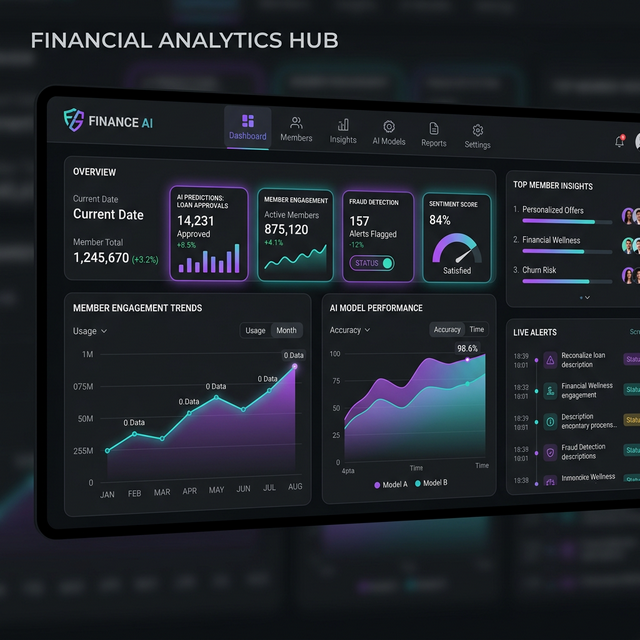
By automating up to 80% of routine inquiries, AI chat allows human staff to focus on high-value interactions like
mortgage counseling and complex problem-solving. This shift from "information dispensers" to "financial advisors"
increases employee satisfaction and provides a higher ROI for the institution.
Conclusion: The Future is Conversational
The integration of AI is no longer a luxury; it is a necessity for credit unions that wish to remain competitive in
the fintech landscape. By embracing conversational AI, credit unions can scale their legendary service to meet the
demands of the digital age.
This article was brought to you by GrafWeb CUSO – Building the future of
digital credit unions.



Request a proposal from GrafWebCUSO · (201) 632-1771 · [email protected]