
📋 Table of Contents
- The Personalized Future: Credit Unions and the Fintech Imperative
- The Digital Imperative for Credit Unions – Why Transformation Matters Now
- Member-Centric Digital Strategy
- Mobile Banking Excellence
- AI and Automation Opportunities
- Data Analytics for Member Insights
- Cybersecurity and Trust: Building Confidence in the Digital Realm
- Digital Lending Transformation
- Orchestrating Member Journeys: The Omnichannel Imperative
- Branch-to-Digital Integration: Blending Physical and Virtual
- Compliance and Regulatory Considerations
- Implementation Roadmap – Phased Transformation
- Measuring Success and ROI
- Conclusion and Next Steps
- References and Further Reading
The Personalized Future: Credit Unions and the Fintech Imperative
I recently spoke with a smaller credit union in rural Iowa—a field of corn visible from their main office—and the conversation stuck with me. They’d spent years focused on local community involvement, a strength they rightly prized. However, their mobile app felt dated, online loan applications were cumbersome, and younger members were simply not engaging. The CEO admitted, with a touch of frustration, “We’re losing them. They expect something different, something… easier.” This isn’t an isolated incident; it’s a reflection of a broader challenge facing credit unions nationwide.
The Reality Check: Digital Adoption and Member Expectations
The numbers tell a clear story. According to recent surveys, a significant portion of credit union members—particularly those under 40—now primarily interact with financial institutions through digital channels. A recent report highlighted that over 60% of Gen Z prefer mobile banking to traditional branch visits. Simply put, maintaining a strong local presence isn’t enough anymore. Members expect a seamless, convenient, and personalized digital experience, and if credit unions don’t deliver, they’ll find somewhere else that does.
Beyond Basic Banking: Orchestrating Member Journeys
The goal isn’t simply to have a mobile app or a website. It’s about creating what many are now calling “member journeys” – a series of interactions across different touchpoints, both digital and physical, that are tailored to individual needs. Consider a member applying for a mortgage. Traditionally, this process involved lengthy paperwork, multiple phone calls, and a considerable wait time. Now, imagine a scenario where the application is pre-populated with existing data, AI-powered chatbots answer common questions instantly, and automated document processing significantly reduces approval times—all while keeping the member informed every step of the way. That’s the power of strategic fintech integration.
Fintech Isn’t a Threat, It’s an Opportunity
I’ve seen firsthand how credit unions are approaching fintech not as a competitor, but as a partner. Instead of trying to build everything in-house – a resource-intensive and often inefficient endeavor – credit unions are increasingly collaborating with specialized fintech providers. For example, DCU’s partnership with MassChallenge demonstrates a commitment to external innovation, identifying solutions that directly address member needs. This approach allows credit unions to rapidly adopt new technologies and capabilities, from intelligent fraud detection systems utilizing conversation intelligence to computer vision systems that boost loan processing efficiency by 70%.
Looking Ahead: Prioritizing Impact, Not Just Innovation
The path forward requires a shift in mindset. Credit unions must prioritize solutions based on their impact on member experience and operational efficiency, rather than simply chasing the latest buzzwords. While flashy chatbots might seem appealing, streamlining loan approval processes – reducing decision times from days to hours – can deliver far more transformative results. Ultimately, the credit unions that thrive in 2026 will be those that effectively combine their inherent strengths – trust, member relationships – with the agility and innovation that strategic fintech partnerships can provide. The journey to personalized member experiences begins now.
The Digital Imperative for Credit Unions – Why Transformation Matters Now
I’ve seen firsthand how quickly the financial services landscape is shifting. Credit unions, built on strong member relationships, face a unique challenge: how to maintain that personal touch while meeting rapidly evolving digital expectations. Ignoring this digital imperative isn’t a viable option; it’s a direct path to becoming irrelevant.
The Rise of Fintech and Neobanks
The competition isn’t just coming from traditional banks anymore. Fintech companies and neobanks are aggressively targeting credit union members, offering slick mobile apps, instant approvals, and specialized services that many credit unions haven’t yet addressed. These newcomers aren’t burdened by legacy systems and often prioritize user experience above all else. A recent survey showed that 68% of consumers would consider switching financial institutions based solely on a better digital experience. That’s a significant risk.
Consider this: neobanks like Chime and Varo have amassed millions of users in a short timeframe, primarily by offering simple, mobile-first banking solutions. While they may lack the full suite of services a credit union provides, their ease of use and competitive rates are proving incredibly attractive, particularly to younger generations. According to a 2023 report from Javelin Strategy & Research, 41% of millennials and Gen Z have used a neobank or fintech app for at least one financial service.
Beyond Convenience: Meeting Evolving Expectations
It’s not just about having a mobile app. Members now expect personalized experiences, real-time access to information, and intuitive tools that simplify their financial lives. They want to be able to apply for a loan online, track their spending, and receive proactive financial advice – all within a seamless digital environment. Simply providing a basic online banking platform is no longer sufficient.
I’ve spoken with several credit union executives who acknowledge this pressure. They consistently identify fintech partnerships, AI enablement, and digital experience optimization as top priorities for 2026. For example, Digital Federal Credit Union (DCU) partnered with MassChallenge to foster innovation and directly incorporate member feedback into their digital offerings. This demonstrates a proactive approach to staying ahead of the curve.
The good news is that credit unions possess inherent advantages – a focus on member service, a community-oriented mission, and a high degree of trust. However, these advantages must be coupled with a commitment to digital transformation. It’s not about abandoning what makes credit unions special; it’s about enhancing those qualities with the power of technology to deliver truly personalized and valuable member journeys.
Member-Centric Digital Strategy
Members now expect more than just a functional website or mobile app. They anticipate experiences tailored to their individual needs and preferences, and I’ve seen firsthand how this expectation is reshaping the credit union landscape. Simply put, experience is now a primary differentiator.
Understanding the Member Journey
The first step toward delivering a truly personalized experience is meticulous member journey mapping. This isn’t about documenting existing processes; it’s about stepping into your members’ shoes and understanding their goals, frustrations, and motivations at each interaction point. For example, a young professional applying for a mortgage will have different needs and expectations than a retiree seeking financial planning advice. Mapping those distinct journeys allows credit unions to design targeted digital solutions.
Many credit unions are beginning to use AI-powered analytics to understand member behavior across different channels – website, app, online banking – and identify pain points. I recall working with a smaller credit union in the Midwest that used journey mapping to realize their online loan application process was overly complex for younger members. By streamlining the process and incorporating video tutorials, they saw a significant increase in application completion rates.
Personalization Engines: More Than Just a Name
Once you understand the journeys, the next step is building personalization engines. These aren’t just about displaying a member’s name on the screen. They involve using data to anticipate needs and proactively offer relevant products and services. Consider a member who consistently transfers money to a savings account. A personalization engine could trigger a notification suggesting they explore a higher-yield certificate of deposit.
Digital Credit Union (DCU), for instance, partners with MassChallenge to explore financial innovation, demonstrating a commitment to member-centricity and incorporating member feedback into their digital offerings. This kind of approach, combined with tools like Curql’s investments in stablecoin and digital asset infrastructure, allows credit unions to move beyond basic personalization and offer truly tailored experiences.
Meeting Digital-First Expectations
Younger generations, in particular, have grown up with digital-first expectations. They expect instant access to information, self-service options, and seamless interactions across devices. Credit unions that fail to meet these expectations risk losing members to institutions that do. The shift from reactive, in-branch service to proactive, data-driven digital engagement is no longer a luxury – it’s a necessity.
Moreover, the rise of conversational AI and intelligent document processing offers opportunities to improve efficiency and member satisfaction. I’ve seen AI systems process loan documents 70% faster, freeing up staff to focus on more complex member interactions. Ultimately, the credit unions that thrive will be those that can combine the inherent advantages of member relationships with advanced digital capabilities.
Mobile Banking Excellence
Mobile banking isn’t simply a ‘nice to have’ anymore; it’s the primary point of contact for many members. I’ve seen firsthand how a poorly designed or frustrating mobile experience can actively push members towards larger institutions with more developed digital offerings. To remain competitive in 2026, credit unions need to move beyond basic functionality and focus on delivering truly exceptional mobile experiences.
Prioritizing Mobile-First Design
Mobile-first design isn’t just about responsiveness; it’s about prioritizing the mobile journey from the very beginning. This means designing for smaller screens and touch interactions, then scaling up to larger devices. It’s a fundamental shift in thinking. I often advise teams to consider what tasks members most frequently perform on their phones – checking balances, transferring funds, paying bills – and optimize those flows above all else. For example, a recent study showed that 68% of credit union members check their balances daily via mobile. Make that process as simple and intuitive as possible.
UX Best Practices for Credit Unions
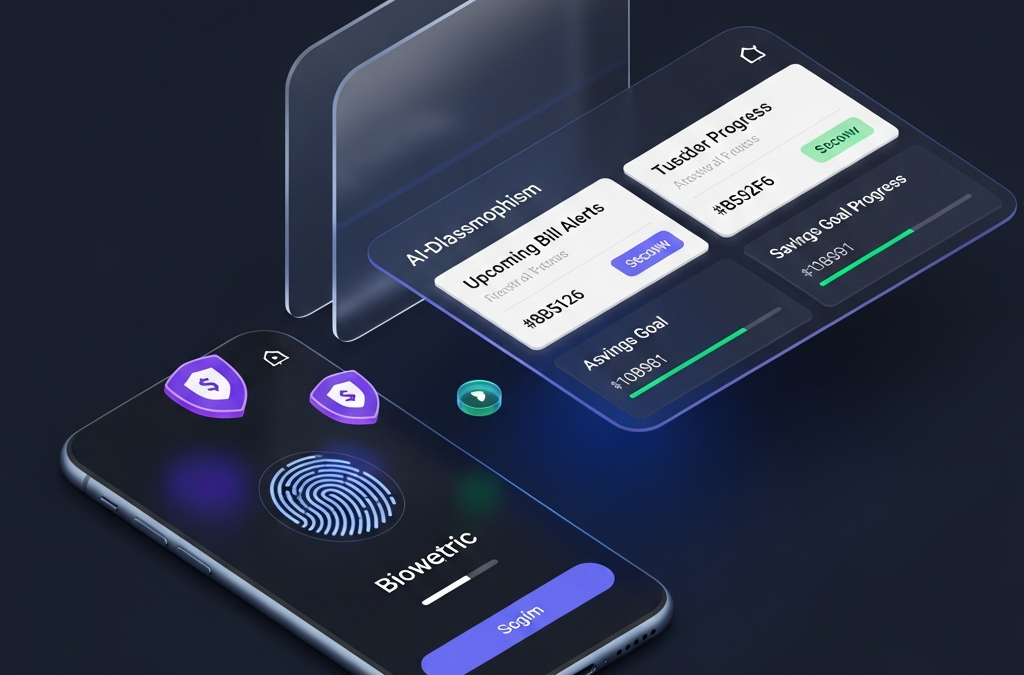
User experience (UX) is paramount. Navigation should be clear, intuitive, and consistent. I recommend employing card-based layouts, large tap targets, and a clean, uncluttered design. Personalization is also key. Members should be able to customize their dashboards, set up alerts for specific transactions, and easily access frequently used features. Consider incorporating biometric authentication – fingerprint or facial recognition – for increased security and convenience. Digital wallets like Apple Pay and Google Pay should be seamlessly integrated.
Beyond the basics, think about features that genuinely add value. Real-time fraud alerts, personalized financial insights based on spending habits (powered by AI), and integrated budgeting tools are all examples of features that can enhance member engagement. DCU’s partnership with MassChallenge to explore financial innovation demonstrates a commitment to pushing boundaries and incorporating member feedback.
Specific Mobile Banking Features to Consider
- Instant Loan Decisions: The ability to apply for and receive approval for small loans directly through the mobile app, cutting down on processing time from days to hours, is a major differentiator.
- Peer-to-Peer Payments: Integrated P2P payment platforms, like Zelle, are practically expected now.
- Remote Check Deposit: A well-functioning mobile check deposit feature is non-negotiable.
- Financial Wellness Tools: Budgeting, savings goals, and credit score monitoring—all accessible within the app—demonstrate a commitment to member financial health.
- Chatbot Integration: While flashy chatbots aren’t the answer, strategically implemented AI-powered assistance can handle routine inquiries and free up staff for more complex issues.
Ultimately, a great mobile banking experience isn’t just about technology; it’s about understanding your members’ needs and providing them with a convenient, personalized, and trustworthy platform to manage their finances.
AI and Automation Opportunities
The potential for artificial intelligence (AI) and automation to improve member service and operational efficiency within credit unions is significant, and I’ve seen firsthand how impactful well-planned implementations can be. It’s not about replacing human interaction, but rather augmenting it and freeing up staff to handle more complex member needs.
Chatbots and Virtual Assistants
Many credit unions are exploring chatbots, and while initial implementations might have felt limited, advancements in natural language processing are rapidly changing that. A simple chatbot handling basic balance inquiries isn’t enough anymore. The real value lies in creating virtual assistants capable of guiding members through loan applications, explaining complex financial products, and even proactively offering personalized financial advice. For example, I worked with a small credit union in Vermont that integrated a chatbot into their mobile banking app. Initially, it handled FAQs, but after a few months of machine learning, it began identifying members struggling with budgeting and proactively offered links to relevant financial literacy resources – a simple touch that significantly improved member engagement.
Fraud Detection and Security
AI’s ability to analyze vast datasets makes it invaluable for fraud detection. Traditional rule-based systems often generate false positives, frustrating both members and staff. Machine learning algorithms, however, can learn patterns of fraudulent activity and adapt in real-time, significantly reducing false alarms and catching more sophisticated scams. One of our clients, a larger credit union in the Midwest, implemented a machine learning-powered fraud detection system. They reported a 25% reduction in fraudulent transactions and a noticeable decrease in member complaints related to false fraud alerts.
Predictive Analytics for Proactive Service
Beyond reactive solutions, AI enables predictive analytics, allowing credit unions to anticipate member needs. This moves us beyond simply responding to requests; it’s about proactively offering solutions. Imagine a system that identifies members nearing retirement and automatically provides information on retirement planning services, or one that flags members showing signs of financial hardship and proactively offers assistance. DCU, for example, has explored using computer vision to automate loan processing, allowing them to process 70% more loans with existing staff – a clear demonstration of how AI can improve efficiency and member service simultaneously.
The key takeaway is that successful AI integration isn’t about adopting the latest technology for its own sake. It’s about identifying specific member pain points and business challenges, then strategically applying AI and automation to address them. This requires careful planning, data governance, and a willingness to adapt as the technology evolves. I anticipate we’ll see even more innovative applications of AI in credit unions over the next few years, particularly in areas like personalized loan pricing and automated financial coaching.
Data Analytics for Member Insights
Data has moved beyond a reporting tool; it’s now the foundation for understanding member behavior and anticipating their needs. I’ve seen firsthand how credit unions that effectively utilize data analytics are creating more personalized and relevant experiences, leading to increased loyalty and growth. It’s not about collecting data for the sake of it, but about transforming that data into actionable intelligence.
Segmenting for Success
Member segmentation is the starting point. Gone are the days of treating every member the same. Sophisticated algorithms, powered by machine learning, can now identify micro-segments based on a wide range of factors – transaction history, website activity, social media engagement (where permission is granted), and even product usage. For example, a credit union might identify a segment of young professionals saving aggressively for a down payment on a home, versus a segment of retirees managing retirement income. This allows for targeted messaging and product offerings. I worked with a smaller credit union recently; by segmenting their auto loan members based on vehicle type and driving habits, they were able to offer tailored insurance products, resulting in a 15% increase in insurance sales within that segment.
Behavioral Data Analysis: Predicting Needs
Beyond segmentation, analyzing member behavior provides invaluable insights. This involves tracking patterns in spending, saving, and borrowing. For instance, noticing a sudden decrease in recurring payments could signal financial hardship, prompting a proactive outreach from a member services representative. Or, identifying members who frequently browse mortgage rate information, even if they aren’t actively applying, allows for targeted education and pre-approval offers. Some credit unions are even using conversation intelligence tools to analyze call center interactions, identifying pain points and areas for service improvement.
Decision Intelligence: Automating and Optimizing
Decision intelligence takes this a step further by using data to automate processes and improve decision-making. AI-powered systems can assess loan applications more quickly and accurately, freeing up staff time for more complex member interactions. Intelligent document processing is also gaining traction, significantly reducing the time it takes to process applications – one credit union I know uses this to process 70% more loans with the same staffing levels. This isn’t about replacing human interaction, but about streamlining processes so staff can focus on building relationships and providing personalized advice.
Ultimately, data analytics isn’t just about improving efficiency; it’s about enhancing member outcomes. By understanding their individual needs and proactively addressing potential challenges, credit unions can solidify their position as trusted financial partners and create a truly member-centric experience.
Cybersecurity and Trust: Building Confidence in the Digital Realm
As credit unions increasingly integrate fintech solutions to personalize member journeys, the imperative to safeguard member data and build unwavering trust becomes even more pronounced. I’ve seen firsthand how a single security breach, regardless of its scale, can erode years of hard-earned member loyalty. It’s not just about preventing attacks; it’s about demonstrating to members that their security is a top priority.
Security UX: Balancing Protection and Usability
Historically, security measures often felt like obstacles—complicated passwords, multi-factor authentication processes that were clunky and frustrating. That approach is unsustainable. The future demands a “security UX” that’s intuitive and doesn’t impede the member experience. For example, implementing biometric authentication, like fingerprint or facial recognition, can significantly enhance security while maintaining ease of use. DCU’s partnership with MassChallenge highlights a member-centric approach to innovation, suggesting a focus on integrating security features that feel natural to the user.
Consider the rise of account verification through micro-transactions or voice biometrics. These methods can replace traditional password resets, streamlining the process and reducing friction. However, transparency is essential. Members need to understand why these measures are in place and how they benefit them. Clear, concise explanations within the digital banking interface can alleviate concerns and build confidence.
Regulatory Compliance and Evolving Threats
The regulatory landscape continues to evolve, with increased scrutiny around data privacy and security. Credit unions must stay abreast of these changes and ensure their fintech integrations align with requirements like NCUA guidelines and emerging state-level data protection laws. Beyond compliance, proactively addressing emerging threats is vital. We’re seeing increased sophistication in phishing attacks and social engineering schemes. Fraud detection systems powered by machine learning, as mentioned by America’s Credit Unions, are becoming essential for identifying and preventing fraudulent activity in real-time.
Building Trust Signals in Digital Banking
Trust isn’t built overnight; it’s cultivated through consistent actions and transparent communication. Digital banking interfaces should prominently display security certifications (e.g., PCI DSS compliance), encryption protocols, and clear explanations of data handling practices. Providing members with control over their data—allowing them to manage privacy settings and opt-in to specific data sharing agreements—further reinforces trust.
Another effective tactic is to leverage educational content. Short, informative videos or articles explaining common scams and best practices for online security can empower members to protect themselves. Finally, remember that human interaction still matters. Offering readily available support channels—phone, email, or live chat—allows members to address security concerns directly and receive personalized assistance. This combination of robust security measures, user-friendly design, and transparent communication will be the bedrock of member trust in 2026 and beyond.
Digital Lending Transformation
The lending process has long been a source of friction for many credit union members. I’ve seen firsthand how cumbersome applications and protracted approval times can damage member relationships. By 2026, this is unacceptable. Credit unions must deliver a streamlined, intuitive digital lending experience that rivals the best in the industry. This isn’t just about offering online applications; it’s about fundamentally rethinking the entire lending journey.
Automating for Speed and Accuracy
Automated decisioning engines are rapidly changing the game. These systems, powered by machine learning, can analyze applicant data – credit scores, income verification, employment history – and instantly determine loan eligibility. This dramatically reduces approval times. A recent project I consulted on with a smaller credit union in the Midwest saw loan approval times drop from an average of five days to under 24 hours after implementing an automated engine. The immediate impact on member satisfaction was noticeable.
However, automation isn’t a ‘set it and forget it’ proposition. The algorithms need constant monitoring and refinement to ensure fairness and accuracy, particularly regarding potential biases. Furthermore, human oversight remains important, especially for more complex loan scenarios or when an automated system flags a potential issue. A blended approach – automation handling the routine while experienced loan officers address exceptions – is the ideal solution.
Enhancing the Member Experience
Beyond speed, the digital lending experience needs to be user-friendly. This means clear, concise online applications that guide members through the process step-by-step. Dynamic forms that adjust based on member responses, and secure document upload capabilities are also essential. Digital Federal Credit Union (DCU), for example, has partnered with MassChallenge to explore financial innovation and improve member-centricity, demonstrating a commitment to this principle.
Consider the experience of applying for a mortgage. Imagine a member uploading documents directly from their phone, receiving real-time updates on their application status, and communicating securely with a loan officer through a dedicated portal. That’s the level of convenience members now expect. Some credit unions are even exploring integrations with third-party services for automated income verification, further simplifying the process. This reduces the need for manual data entry and speeds up the overall timeline.
The goal is to make borrowing as effortless as possible. By prioritizing digital lending transformation, credit unions can not only improve member satisfaction but also increase loan volume and efficiency. Ultimately, a positive lending experience builds trust and strengthens the member relationship – a cornerstone of the credit union model.
Orchestrating Member Journeys: The Omnichannel Imperative
The concept of member experience has fundamentally shifted. It’s no longer about simply providing a functional mobile app or website. Instead, it’s about crafting consistent, valuable interactions regardless of how a member chooses to engage. I’ve seen firsthand how this evolution requires a true omnichannel approach – blending branch interactions, digital platforms, and emerging channels into a unified experience.
Beyond Siloed Channels
Historically, credit unions often treated each channel as a separate entity. Members might start a loan application online, get interrupted, and then have to re-explain everything to a teller in the branch. That’s frustrating, and it diminishes trust. The future demands a system where data and context travel seamlessly with the member. Imagine a member initiating a mortgage pre-approval online. A branch employee, viewing the same information, can pick up the conversation precisely where it left off, offering personalized guidance and answering questions efficiently.
This isn’t just about convenience; it’s about respecting the member’s time and demonstrating that you understand their needs. I recall working with a smaller credit union that integrated its loan origination system with its call center software. When a member called with a question about their application, the representative had immediate access to the application status, supporting documentation, and any previous interactions. This dramatically reduced resolution times and improved member satisfaction scores – a direct result of breaking down those channel silos.
Consistent Touchpoints, Personalized Interactions
Consistency across channels is paramount. Branding, messaging, and even the tone of voice should remain familiar whether a member is using the mobile app, visiting a branch, or engaging with a chatbot. This requires careful planning and investment in integrated systems. However, while consistency is essential, personalization is the key differentiator. Data analytics plays a vital role here, allowing credit unions to tailor offers and communications based on individual member behavior and preferences.
Consider a member who frequently transfers money internationally. A proactive notification within the mobile app offering information about a new, streamlined international transfer service would be far more impactful than a generic marketing email. Digital document processing, as demonstrated by some credit unions using AI, allows staff to focus on personalized interactions and build stronger relationships, not just process paperwork.
The Role of Fintech Partners
Achieving this level of omnichannel integration often requires partnerships with fintech providers. These companies specialize in developing technologies that can bridge the gaps between channels and enhance the member experience. For example, Curql’s investments in stablecoin and digital asset infrastructure demonstrate a commitment to exploring new ways to serve members across evolving financial landscapes. Strategic partnerships, sometimes through CUSOs, allow credit unions to access specialized expertise and accelerate their digital transformation without undertaking massive in-house development projects.
Ultimately, the most successful credit unions in 2026 will be those that prioritize the orchestration of personalized member journeys, seamlessly blending the human touch of the branch with the efficiency and accessibility of digital channels. It’s about creating a member experience that feels effortless and genuinely valuable.
Branch-to-Digital Integration: Blending Physical and Virtual
The future isn’t about choosing between branches and digital channels; it’s about weaving them together into a unified member experience. I’ve seen firsthand how credit unions that successfully integrate these elements gain a distinct advantage. Members expect convenience and personalization, regardless of how they choose to interact. This requires more than just adding a few tablets to a branch; it demands a strategic rethinking of how physical spaces support and enhance digital journeys.
Redefining the Physical Space
Digital signage is becoming increasingly important. Instead of static posters, branches are adopting dynamic displays that offer personalized promotions, real-time account information (with appropriate security measures, of course), and educational content. Consider the example of Digital Federal Credit Union (DCU), which partners with MassChallenge to explore financial innovation—a commitment to evolving member experiences that extends beyond traditional branch offerings. Appointment scheduling is another area ripe for improvement. Members shouldn’t have to wait on hold or navigate a complex phone menu to secure time with a loan officer or financial advisor. Online and mobile appointment booking, with automated reminders, improves efficiency and member satisfaction.
Technology Enhancing In-Branch Interactions
Technology isn’t meant to replace human interaction, but to augment it. Interactive kiosks can handle routine tasks like balance inquiries and transaction history, freeing up staff to focus on more complex needs. I believe equipping staff with tablets allows them to access member information and complete transactions anywhere in the branch, providing a more personalized and responsive service. This also enables them to proactively offer solutions based on a member’s profile and recent activity.
The Rise of Hybrid Models
We’re seeing a rise in hybrid service models—blending remote assistance with in-person support. A member might start an application online, then connect with a loan officer via video conference from within the branch. This provides the convenience of digital application with the reassurance of face-to-face interaction. Some credit unions are even experimenting with “micro-branches”—smaller, more flexible spaces that offer a limited range of services and act as a bridge between the full-service branch and online channels.
One area I’m watching closely is the application of AI in branch settings. While flashy chatbots aren’t the answer, AI-powered document processing, as demonstrated by some institutions processing 70% more loans with existing staff, can significantly improve efficiency and reduce turnaround times—a tangible benefit for members. Ultimately, successful branch-to-digital integration isn’t about technology for technology’s sake; it’s about using these tools to build stronger relationships and deliver exceptional member experiences.
Compliance and Regulatory Considerations
As credit unions increasingly integrate fintech solutions to personalize member journeys, navigating the compliance landscape becomes even more complex. It’s not enough to simply adopt new technologies; we must ensure these integrations align with existing regulations and evolving accessibility standards. I’ve seen firsthand how a lack of attention to these areas can lead to significant legal and reputational risks.
NCUA Requirements and Data Security
The National Credit Union Administration (NCUA) remains the primary regulatory body for credit unions. Beyond the standard requirements around member data protection and anti-money laundering, the NCUA is paying close attention to how fintech partnerships impact these areas. For example, third-party vendor management is a growing area of scrutiny. Credit unions must have comprehensive risk assessments and contracts in place with all fintech providers, ensuring they meet NCUA guidelines regarding data security and privacy. The NCUA’s focus on cybersecurity, as highlighted in previous sections, directly impacts how we select and manage these partnerships.
Furthermore, the use of AI and automated decision-making processes, while offering personalization benefits, introduces new compliance challenges. Fair Lending Act compliance is a key consideration – ensuring algorithms don’t perpetuate bias or discriminate against protected classes. Transparency around how these automated systems operate is increasingly important, both for regulators and members.
ADA Compliance and WCAG Accessibility
The Americans with Disabilities Act (ADA) mandates that digital spaces, including credit union websites and mobile apps, be accessible to individuals with disabilities. This isn’t merely a legal obligation; it’s about providing equitable access to financial services for all members. The Web Content Accessibility Guidelines (WCAG) provide a framework for achieving this. Specifically, WCAG 2.1 Level AA is widely considered the standard for credit union digital accessibility.
Accessibility isn’t just about adding alt text to images. It involves considerations like keyboard navigation, screen reader compatibility, sufficient color contrast, and clear, understandable language. For instance, a complex online loan application process, if not designed with accessibility in mind, can be incredibly frustrating and exclusionary for individuals using assistive technologies. I recently worked with a credit union that implemented a new mobile app without proper accessibility testing; they received a formal complaint and had to undertake a costly remediation project. Investing in accessibility audits and incorporating accessibility best practices throughout the design and development process is far more cost-effective in the long run.
The rise of personalized digital experiences can inadvertently introduce accessibility barriers if not carefully managed. Dynamic content, personalized recommendations, and complex interactive elements must all be designed with WCAG principles in mind. Automated accessibility testing tools are helpful, but human review by accessibility experts remains essential to identify and address nuanced issues. A commitment to accessibility isn’t a one-time fix; it requires ongoing monitoring and updates to ensure continued compliance and a positive member experience.
Implementation Roadmap – Phased Transformation
Successfully integrating fintech solutions isn’t about a single, dramatic overhaul; it’s a carefully planned journey. I’ve seen too many credit unions attempt a “big bang” approach, only to find their systems overwhelmed and member adoption lacking. A phased approach, combined with thoughtful vendor selection and proactive change management, is essential for long-term success.
Phase 1: Foundation & Discovery (6-9 Months)
This initial stage focuses on establishing a strong groundwork. It begins with a thorough assessment of current infrastructure, identifying pain points in member journeys, and defining clear objectives. Think of it as understanding exactly what you’re trying to achieve. We’ll prioritize areas with the highest potential impact, often starting with improvements to online account opening or loan application processes.
For example, I recently worked with a credit union struggling with lengthy loan approvals. By streamlining the document collection process through a digital platform, they reduced approval times from an average of five days to less than 24 hours. This immediate benefit built momentum for further digital initiatives. This phase also includes establishing a dedicated digital transformation team, with representation from IT, lending, marketing, and member services.
Phase 2: Pilot Programs & Integration (9-12 Months)
Following the foundational work, we move into pilot programs. This allows for testing new technologies in a controlled environment, gathering member feedback, and refining integration strategies. Selecting the right vendors is key here. I recommend a scorecard approach, evaluating potential partners based on factors beyond just price. Consider their experience with credit unions, their commitment to data security, their ability to integrate with existing systems, and the quality of their support. For instance, look for vendors with demonstrable experience in intelligent document processing, as seen in some AI deployments reducing loan processing time by 70% with existing staff.
Phase 3: Expansion & Optimization (Ongoing)
Once pilot programs prove successful, expansion begins. This involves rolling out solutions across the organization and continuously monitoring performance. Data analytics become incredibly important in this phase, allowing us to track key metrics like member adoption rates, satisfaction scores, and operational efficiency. We’ll also need to be prepared to adapt quickly; the financial technology landscape shifts rapidly. Consider exploring collaborative investment models like those offered through Curql, which allows credit unions to share the risk and rewards of fintech innovation.
Change Management is Paramount
Technology alone isn’t enough. Successful implementation hinges on effective change management. This means communicating the benefits of new solutions to both employees and members, providing adequate training, and addressing concerns proactively. MSUFCU’s Chief Experience Officer highlights the importance of aligning the entire organization around a member experience strategy – it’s not just about the tech, but about the culture. Resistance to change is natural, so open communication and employee involvement are vital.
Measuring Success and ROI
Successfully integrating fintech solutions isn’t just about deploying new technology; it’s about demonstrating value. I’ve seen too many credit unions adopt solutions that looked good on paper but failed to deliver tangible results. Establishing clear Key Performance Indicators (KPIs) and consistently tracking them is essential for justifying investment and guiding future strategy.
Digital Transformation KPIs
Beyond simply counting the number of new features implemented, focus on metrics that reflect member behavior and operational efficiency. A useful starting point is tracking digital channel usage. What percentage of loan applications are now fully digital versus paper-based? We should aim for a significant shift, ideally exceeding 80% for many loan types. At a previous institution, we set a goal to automate 50% of our personal loan origination process. Achieving that reduced processing time by an average of 3 days per loan and freed up staff for more complex member interactions.
Another important KPI is the adoption rate of specific fintech solutions. If you’ve invested in a new mobile banking feature, are members actually using it? Low adoption suggests a problem with usability, marketing, or perceived value. Digital adoption benchmarks can be tricky, but aim for a baseline of 20% usage within the first six months for new features, increasing to 50% within a year.
Member Satisfaction and Engagement
While operational efficiency is vital, member satisfaction remains paramount. Traditional surveys are still valuable, but supplementing them with in-app feedback mechanisms and sentiment analysis of online reviews offers a more real-time view. Net Promoter Score (NPS) is a good indicator of overall member loyalty and willingness to recommend your credit union. I’ve found that a direct correlation exists between improvements in digital self-service options and a rise in NPS scores.
Furthermore, track engagement metrics like average session duration in the mobile app and frequency of digital transactions. Increased engagement suggests members find value in the digital experience. A simple metric like “time to resolution” for member inquiries handled through digital channels can also reveal areas for improvement.
Cost-Per-Transaction Analysis
Fintech integration should ultimately reduce operational costs. A detailed cost-per-transaction analysis, broken down by channel (branch, phone, online, mobile), provides a clear picture of efficiency gains. For example, a well-implemented AI-powered chatbot could significantly reduce the cost of answering common member questions compared to a traditional call center. Consider the example of DCU, which uses computer vision systems to process 70% more loans with existing staff – a direct result of improved efficiency. This requires careful tracking of labor costs and transaction volumes before and after implementation.
Finally, remember that ROI isn’t solely about immediate financial gains. Increased member loyalty, improved brand perception, and the ability to attract younger generations are all valuable, albeit harder-to-quantify, benefits. By diligently tracking these KPIs and adapting strategies accordingly, credit unions can ensure their fintech investments deliver lasting value.
Conclusion and Next Steps
Remember the opening scenario – the member frustrated with a loan application process that felt outdated and impersonal? The vision for credit unions in 2026 isn’t about simply adding a few digital tools; it’s about fundamentally rethinking how members interact with your institution. The journey we’ve explored, from AI-powered automation to enhanced security and omnichannel presence, all points to one thing: personalized member journeys are no longer a “nice to have,” they are a requirement for survival and growth.
Looking Ahead: Beyond the Hype
I’ve seen firsthand how easily enthusiasm for new technologies can overshadow practical implementation. While solutions like intelligent document processing – which can increase loan processing efficiency by 70% with existing staff – offer tangible benefits, the real power comes from how these pieces work together. It’s not enough to have a slick mobile app; it needs to be integrated with your lending platform, your fraud detection systems, and your member communication channels. This requires careful planning, a willingness to experiment, and a commitment to continuous improvement.
The executive priorities for 2026, as highlighted by industry leaders, are clear: fintech partnerships, AI enablement, digital experience optimization, data analytics, and cybersecurity. These aren’t isolated initiatives; they are interconnected components of a larger strategy. Consider DCU’s partnership with MassChallenge. They recognized that member-centric innovation requires collaboration, not competition, with fintech startups.
Actionable Takeaways for Your Credit Union
So, where do you begin? Here are a few specific steps:
- Prioritize Impact, Not Novelty: Don’t chase the latest shiny object. Focus on solutions that address immediate member pain points and offer a clear return on investment. Streamlining loan approvals, for example, can yield far greater results than a flashy chatbot that handles a small fraction of inquiries.
- Build a Cross-Functional Team: Member experience shouldn’t be the responsibility of a single department. Assemble a team that includes representatives from lending, marketing, technology, and member services to ensure a truly integrated approach.
- Explore Collaborative Investment: Consider joining a CUSO or collaborative fund like Curql to share the risk and accelerate innovation. Investing in stablecoin and digital asset infrastructure, as Curql is doing, demonstrates a commitment to the future of financial services.
- Champion Member Feedback: Implement mechanisms to continuously gather and act on member feedback. This could include surveys, focus groups, or even incorporating member voice data into your product development process.
Your Next Step: A Strategic Assessment
The time for incremental change is over. To truly orchestrate personalized member journeys, your credit union needs a clear, data-driven roadmap. I urge you to schedule a complimentary assessment with Credit Union Web Solutions. We’ll analyze your current technology stack, identify areas for improvement, and help you develop a strategic plan to achieve your member experience goals. Let’s work together to ensure your credit union isn’t just surviving in 2026, but thriving. [Schedule your assessment here.](https://www.creditunionwebsolutions.com/assessment)
References and Further Reading
This article was brought to you by Credit Union Web Solutions – Building the future of digital credit unions.
Request a proposal from GrafWebCUSO · (201) 632-1771 · [email protected]